

Adriana Peña Johansson is a senior marketing and media business strategy consultant who is passionate about supporting ethical journalism. Her achievements include opening new revenue streams, managing profit and loss (P/L) of multimillion-dollar media companies like Televisa, Havas Media, Entravision and Yellow Pages, and leading integrated branding campaigns for global brands such as Snickers, Carolina Herrera, Sony, and Peugeot. She is a pioneer in branded entertainment and digital storytelling, working across various media formats like TV, radio, influencer activations, content marketing, and digital tools such as programmatic and inbound marketing. and the right to information. She has expertise in data-driven marketing and digital disciplines, enabling her to create effective customer acquisition and retention strategies by combining traditional media with digital channels.
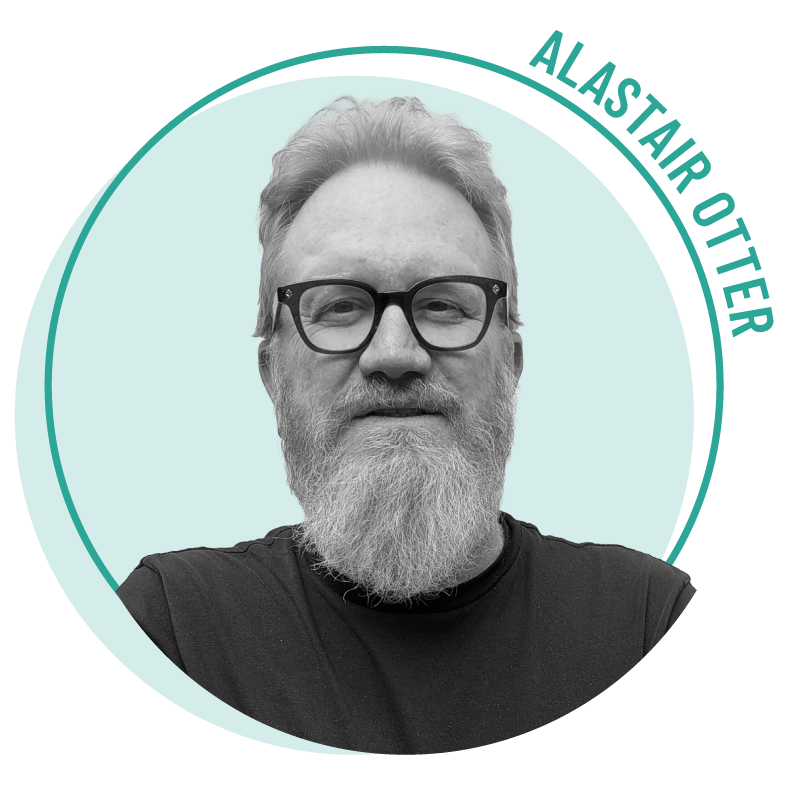
Alastair Otter turns data into drama. Managing partner at Media Hack Collective, he has spent more than 20 years fusing journalism and technology to make Africa’s biggest stories unforgettable. Starting as a print journalist in South Africa, he moved online to cover tech and business, founded and ran Tectonic for nearly a decade, and most recently edited IOL, one of the country’s top news sites. At The Outlier and through Media Hack Collective, Alastair takes data visualisation to the next level, crafting interactive stories that hit, linger, and demand attention. Based in Johannesburg, he proves that data journalism can be as compelling as any front-page scoop.
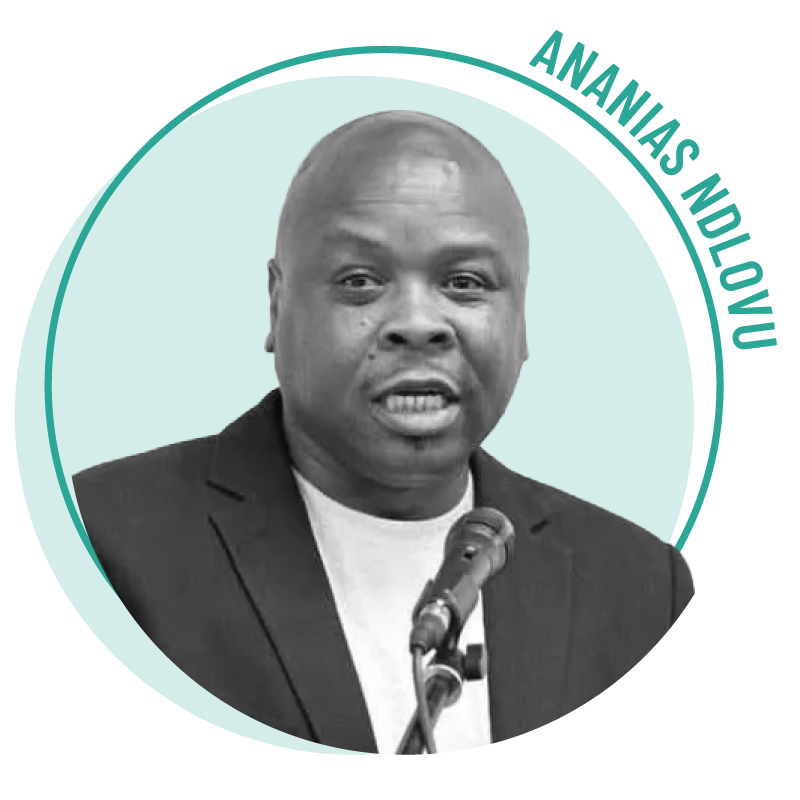
Ananias Ndlovu doesn’t just report the story. He exposes the system. With over 20 years in South African media, he has built Naledi News into a powerhouse of investigative journalism that holds the powerful to account. He has written for The Star and Daily Sun, served as senior journalist at Wits University’s Justice Project, and founded the North West Media Awards. Ananias is a driving force on the National Press Club’s executive committee, shaping the Newsmaker of the Year Awards, and continues to champion digital media, live streaming, and community storytelling . In May, he will launch his first book, The Real Death of Community Media, a fearless critique of the sector’s decline and a manifesto for its future.
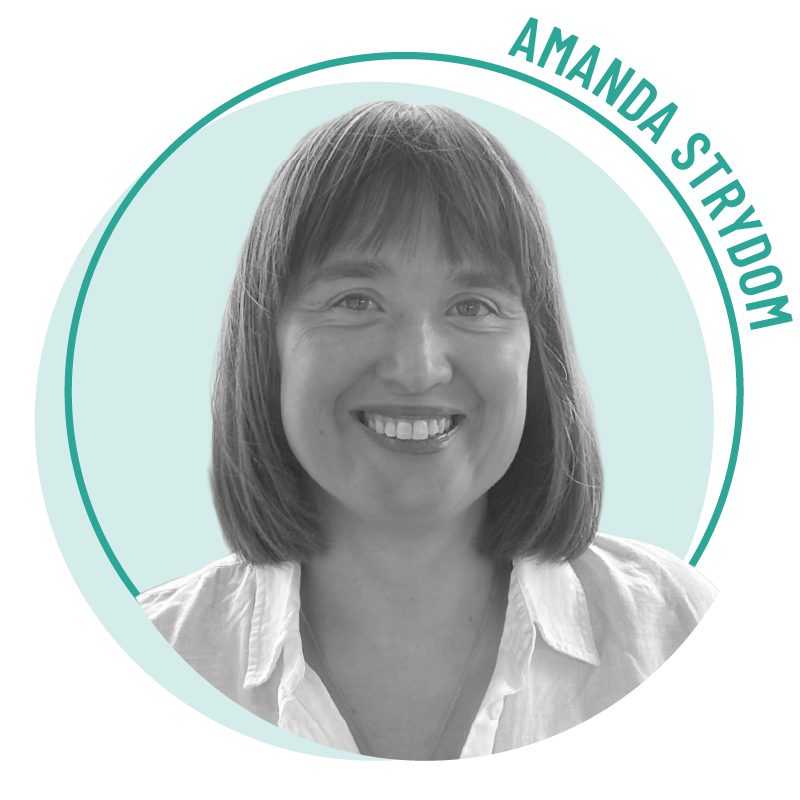
Amanda Strydom is senior sensemaker at Code for Africa (CfA) and leads the review and refinement of research reports, policy documents, and strategy outputs across the organisation. She represents CfA on the Partnership on AI’s steering committee for AI and Human Connection. Previously, Amanda was the senior programme manager for CfA’s CivicSignal programme, which uses AI/NLP to map and analyse media markets in Africa. In 2022, she was a fellow at the London School of Economics’ JournalismAI programme. She was also managing editor for the African Network of Centres for Investigative Reporting, supporting a team of journalists across the continent to help produce the Panama Papers leak, which was awarded the 2017 Pulitzer Prize for Explanatory Reporting, and worked as Mail & Guardian’s online night editor.
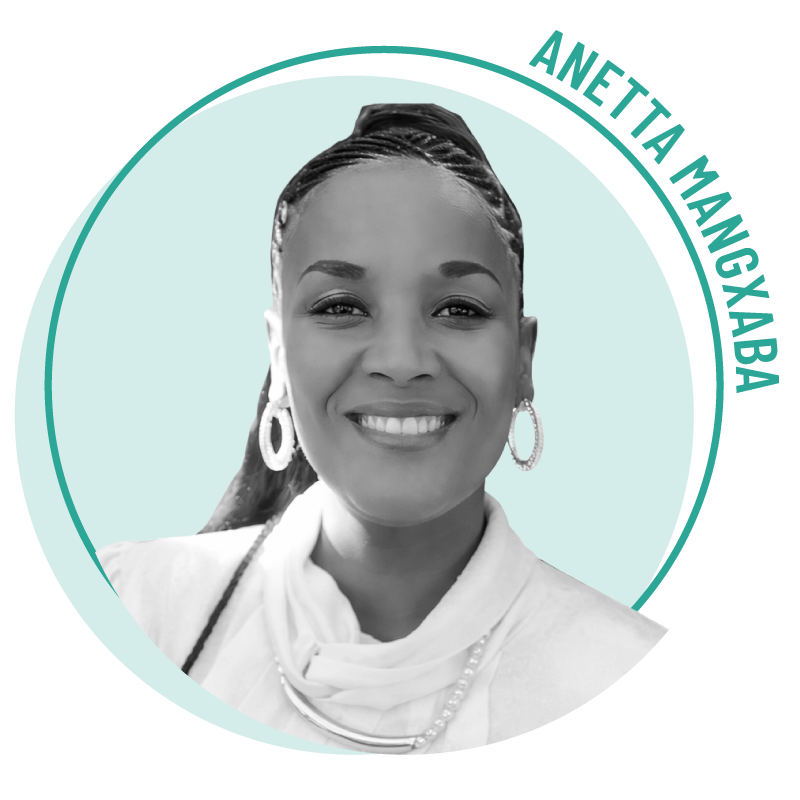
Anetta Mangxaba is a media powerhouse with a mission. From guiding Dizindaba Media through judicial management to becoming sole director and owner, she has transformed the company into a fearless champion for isiXhosa content and township communities across the Western and Eastern Cape. She shapes every part of the business, from operations and admin to marketing and sales, while amplifying voices too often overlooked. As the chairperson of the Association of Independent Publishing, Anetta drives change, influence, and impact.
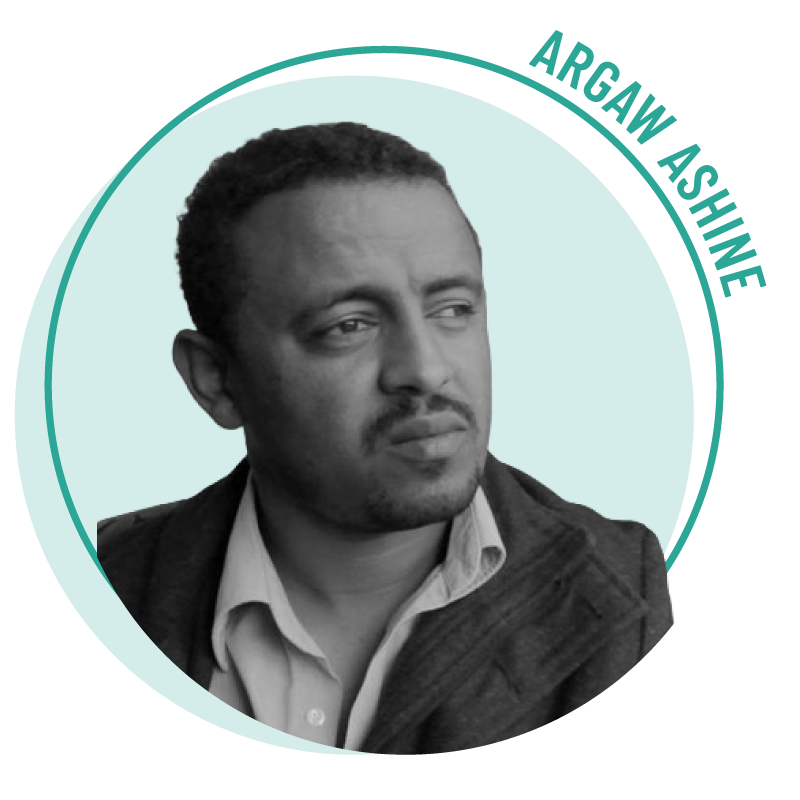
Argaw Ashine doesn’t just report the news in Ethiopia. He fights for the space where truth can thrive. As co-founder and managing editor of Wazema Radio, he has spent over two decades pushing for press freedom, environmental justice, and community empowerment. His reporting has captured global attention, including the documentary “Dead donkey’s fear no hyenas”, proving that courageous journalism can change lives.
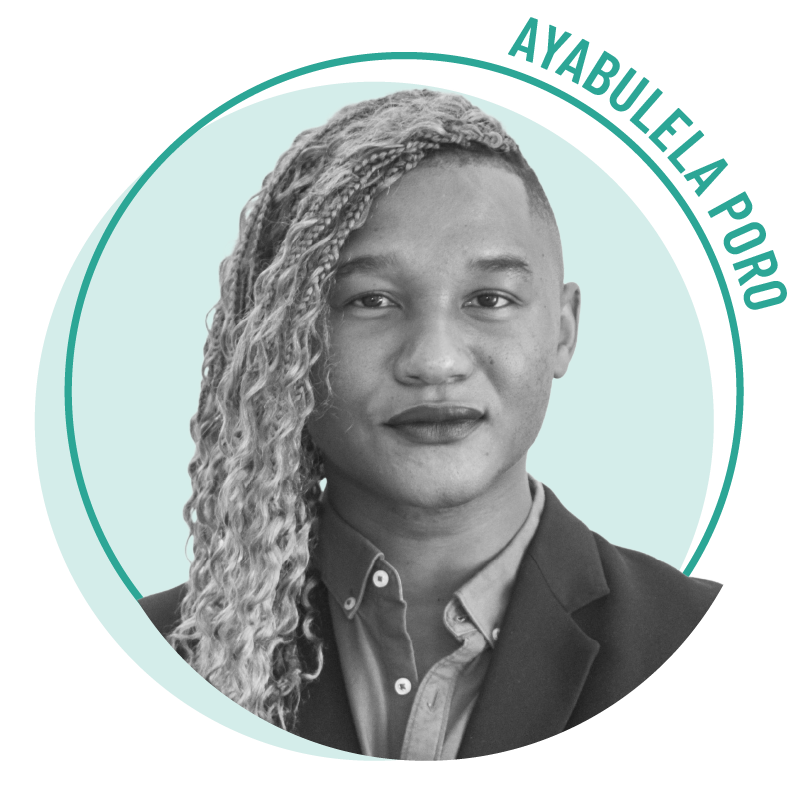
Ayabulela Poro is the Manager for Stakeholder Relations and Communications at the Media Development and Diversity Agency and has over 15 years of experience working in journalism, media as well as corporate communications as a lead and consultant. This includes recent roles at the Nelson Mandela Children’s Hospital and Children’s Fund where he spearheaded marketing campaigns including raising over R3 million for heart surgeries for young patients at the hospital. Ayabulela is passionate about media and utilising the power of storytelling to captivate audiences and drive measurable impact.
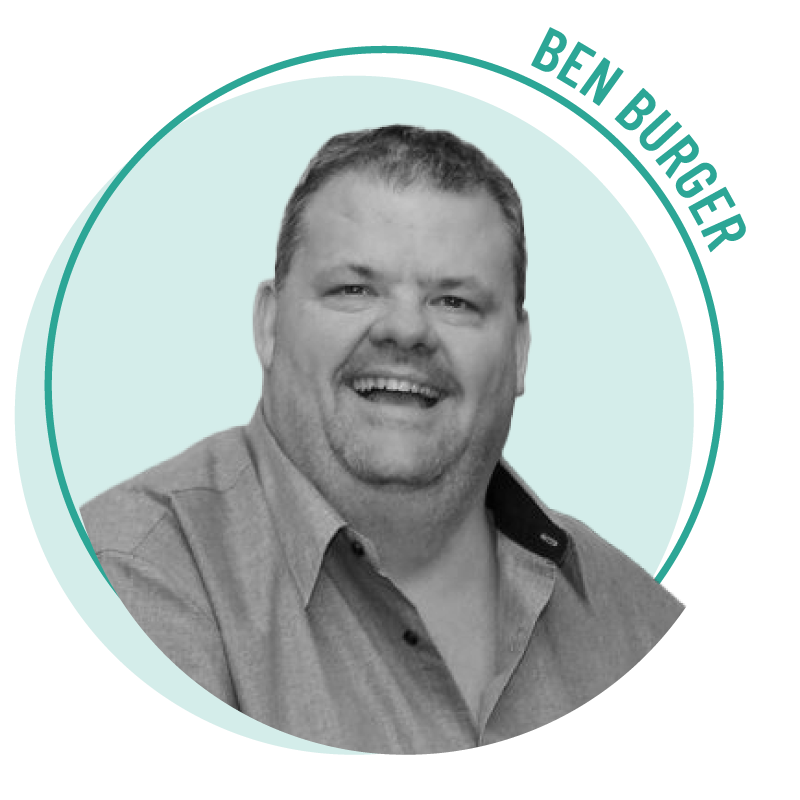
Ben Burger is a veteran community journalism leader and three-time Executive Director of the Forum of Community Journalists in South Africa, where he steered the organisation through its transformation to non-profit status. At Novus Media, he manages the editorial hub for Western Cape community newspapers, leading teams that produce award-winning publications recognised by the AVBOB FCJ Excellence Awards. With a language practice degree and advanced management qualifications, he turns editorial strategy, content management, and brand development into tools that make community media fearless. Deeply rooted in both traditional and digital media, Ben proves that community journalism is vital, bold, and unrelenting.
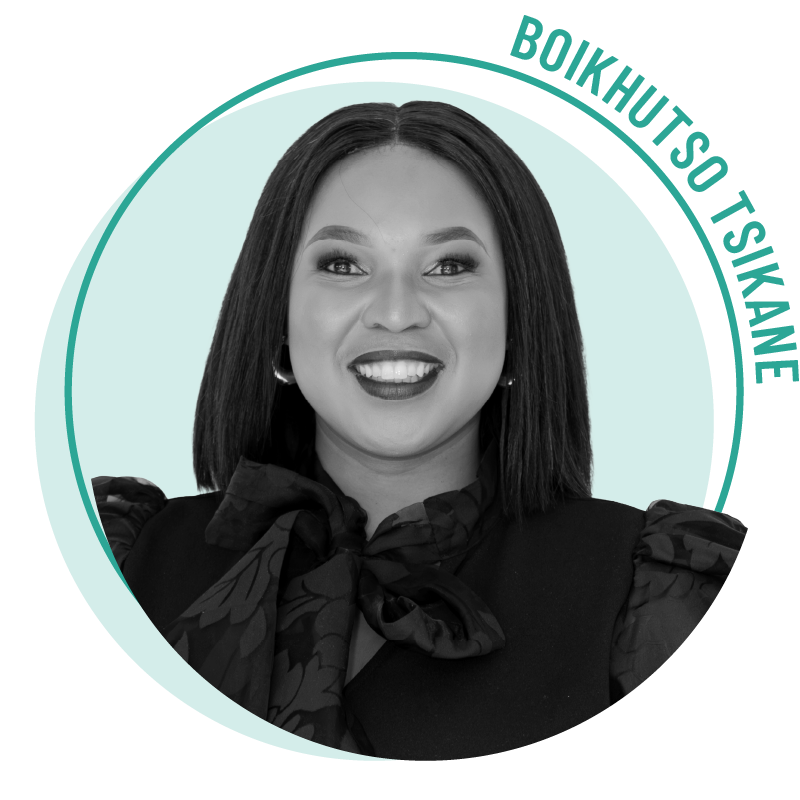
Khutso Tsikane is a Programme Manager at the Media Development and Diversity Agency, supporting community and small commercial media through grant funding initiatives that advance media development, diversity, and public interest journalism in South Africa.
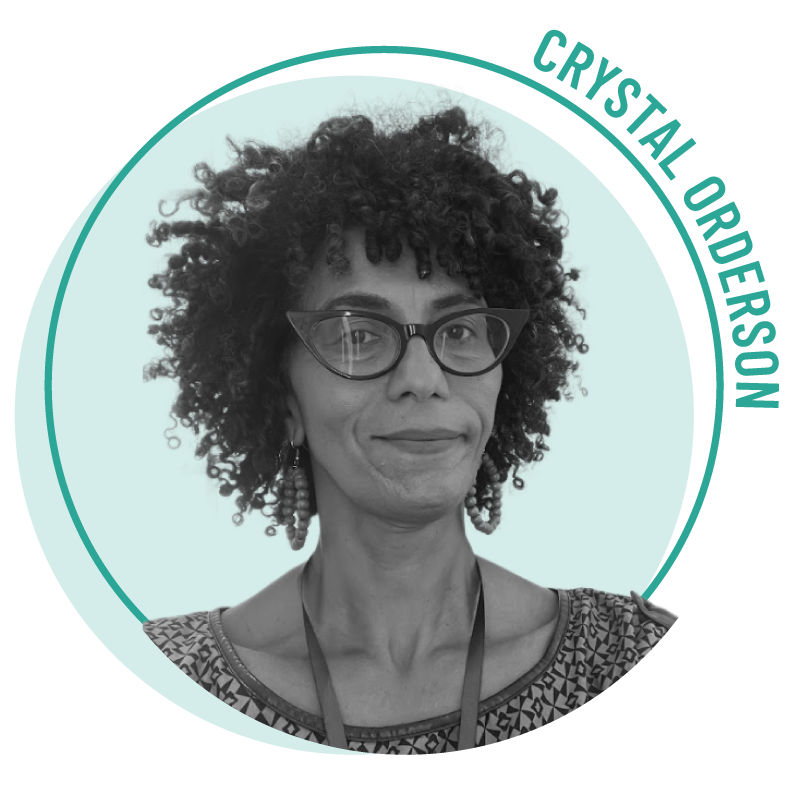
Crystal Orderson has been telling the stories that shape Africa for more than 25 years. Sharp, fearless, and unapologetically honest, she dives into the politics, culture, and social currents that others shy away from. Currently, she is an analyst and executive producer at AJ+, a cutting-edge social media news and storytelling platform from the Al Jazeera Media Network.
A former SABC West Africa bureau chief based in Dakar, Senegal, former Ruth First Fellow and a fellow of the University of Chicago, Crystal’s work doesn’t just report Africa to the world, it makes the world see Africa on its own terms.
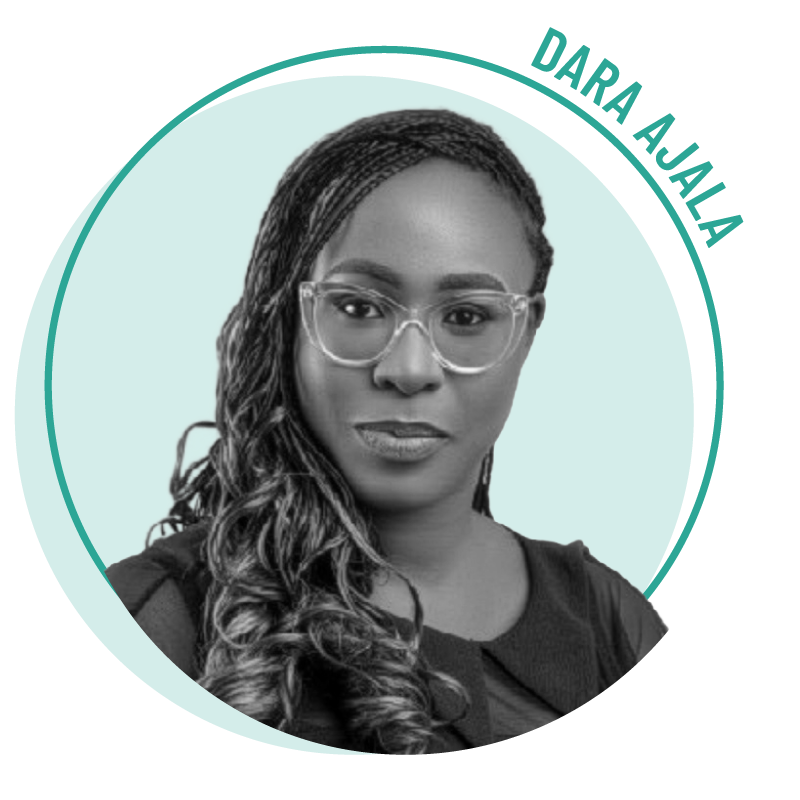
Dara Ajala doesn’t do fragile. Based in Abuja, Nigeria, she builds media that bites back. Leading MDIF’s Amplify programmes across West and East Africa, she partners with independent outlets to crack operational puzzles, test bold strategies, and grow in ways most thought impossible. With a degree in microbiology and a foundation in health sciences that honed her analytical rigor, Dara translates complex systems into media strategies that work. She speaks English, Yoruba, and the language of fearless results.
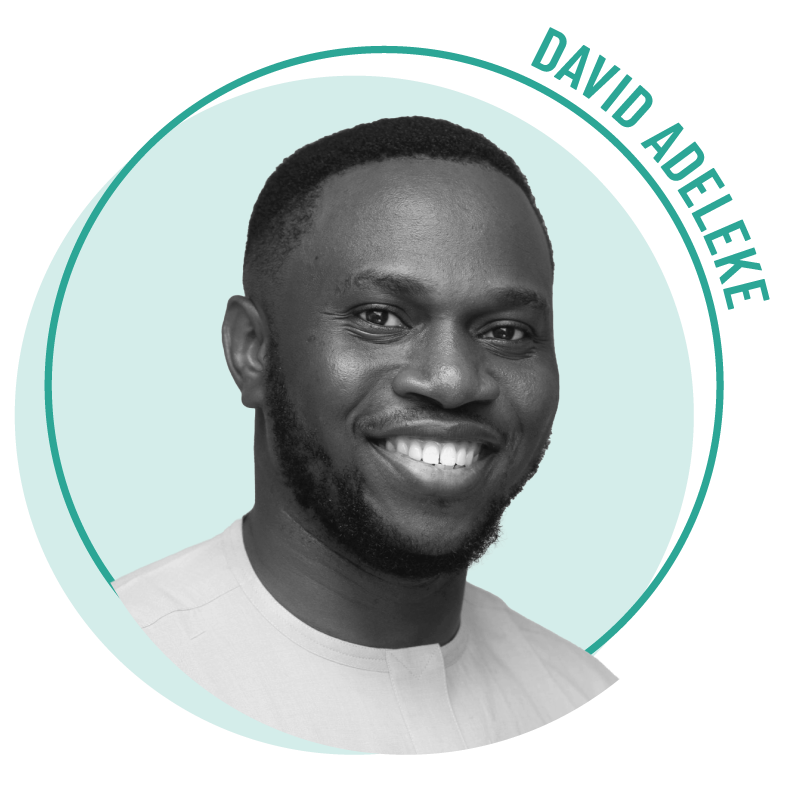
David Adeleke is a Nigeria-based media founder, strategist, and storyteller shaping the future of Africa’s creative economy. He is the founder and CEO of Communiqué, a media and intelligence company reaching over 140 000 creators, investors, and policymakers across 105 countries. David has reported, led, and innovated at the forefront of African media, serving as Africa Editor at Rest of World, heading Business Insider Africa, and contributing to Ventures Africa and TechCabal. His work has appeared in The Guardian, Al Jazeera, Reuters, Semafor, and The Continent. A Media and Journalism Fellow with the Charles Koch Institute, he combines a Mass Communication degree from Covenant University with advanced leadership training from Yale, GIBS, Copenhagen Business School, and London Business School. David does not just cover Africa, he shapes how the world sees it and how Africa tells its own story.

Adedeji “Deji” Adekunle is a Nigeria-based media development expert, trainer, and digital innovation leader driving the future of independent journalism across Africa. He currently serves as Program Director for West and East Africa at the Media Development Investment Fund (MDIF), where he leads initiatives that strengthen media sustainability, foster innovation, and train the next generation of news professionals. Before this, Deji led MDIF’s Nigeria Media Innovation Program (NAMIP), turning bold ideas into actionable solutions for independent media. With a background in mathematics and computer science and over a decade of experience across journalism, tech, and civic innovation, he has worked with CJID and DUBAWA to advance data journalism, fact-checking, and media innovation. Deji is passionate about empowering media to thrive and drive accountable, thriving societies.

Former BBC journalist turned Egyptian media disruptor, Dina Aboughazala is rewriting the rules of global storytelling. After 14 years inside one of the world’s biggest newsrooms, she stepped out to build Egab, a bold platform connecting international media to original, exclusive reporting from journalists on the ground. Egab exists to challenge parachute journalism and the tired narratives about the Global Majority. This is solutions journalism with backbone. Stories told by those who live them. Context over clichés. Depth over drama. Armed with an MA in Interactive Journalism from City St George, University of London, Dina blends global standards with regional soul, proving that powerful storytelling does not need a foreign lens to matter.
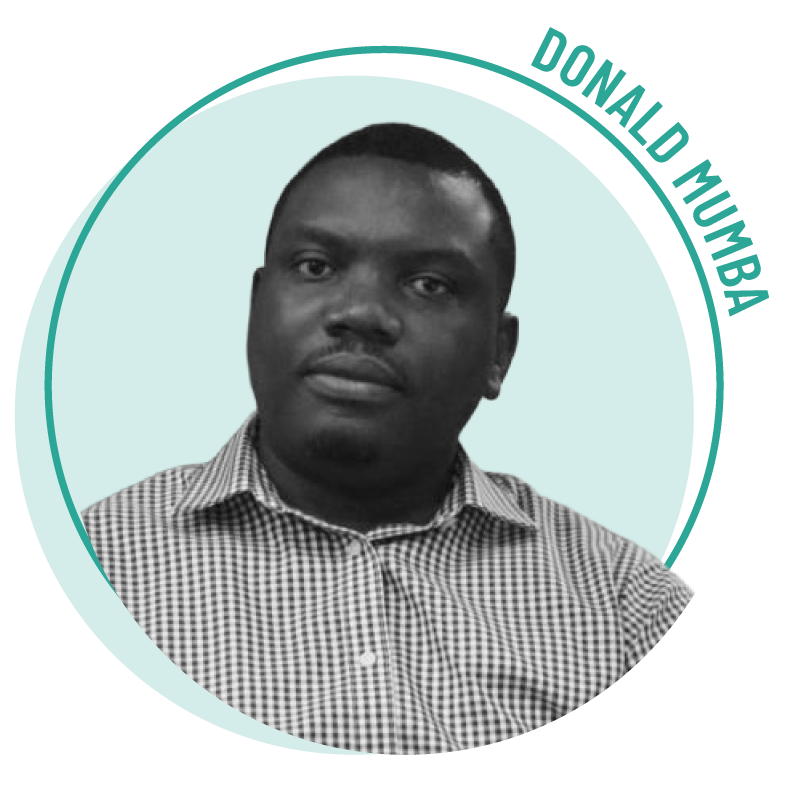
Donald Mumba is building the pulse of Zambian business. As Founder and Managing Director of Zambian Business Times, he’s turned a bold vision into a media powerhouse that reaches over 3 million people every month. From a cutting-edge website and social feeds on Facebook, LinkedIn, X, TikTok, and YouTube, to podcasts, print, streaming, and live events, Donald ensures Zambia’s entrepreneurs and innovators never miss a beat. He doesn’t just report business, he tells Zambia’s economic story with insight, clarity, and grit, giving the nation’s leaders and changemakers the intelligence to act, grow, and shape the future.

Dylan Bettencourt is the Head of Operations at Scrolla Africa, where he steers editorial, financial, and strategic operations for the mobile-first publication that is redefining how South Africans consume news. He also manages the Sizwe Sibiya Journalism Academy, nurturing the next generation of storytellers, and is spearheading Scrolla’s expansion into AI-powered tools designed to make financial literacy and news accessible to all. Combining sharp technical expertise with a relentless commitment to human-first journalism, Dylan ensures that every story is simple, clear, and deeply relevant. He believes that media should empower, not overwhelm, and that technology can amplify humanity rather than replace it. Under his leadership, Scrolla Africa delivers content that educates, inspires, and transforms the way communities engage with news.

Fathiya Nur is a Kenya-based journalist, media professional, and digital storyteller dedicated to shaping narratives around Africa’s political, social, and cultural transformation. She has anchored major news bulletins and produced global affairs programmes at BBC Africa, The Standard Group, and CGTN, reporting from across the continent in Zimbabwe, Ghana, South Africa, Ethiopia, and Kenya. Fathiya has interviewed former presidents, legendary musicians, and leading business figures, bringing Africa’s voices to the world with clarity, depth, and perspective. She blends rigorous journalism with digital storytelling, crafting narratives that are insightful, human, and impossible to ignore. Her work celebrates the complexity of Africa while connecting audiences to the people and ideas driving change.
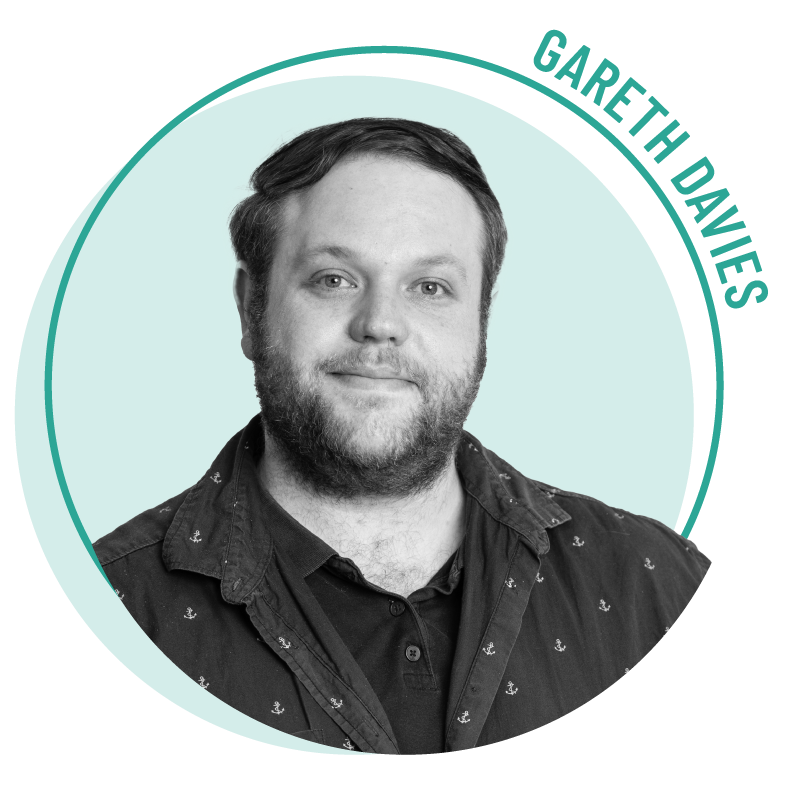
Gareth Davies is the Head of Product and User Experience at Food For Mzansi, where he shapes the brand’s digital platforms, products, and audience engagement strategies. With a bachelor degree in visual communication design and an honours degree in illustration, both from Stellenbosch University, Gareth blends design expertise with a data-driven approach to media innovation. At Food For Mzansi, he drives products that connect, inform, and empower Africa’s farming and agribusiness communities, turning insights into impactful stories, tools, and experiences that help farmers make better decisions, grow their businesses, and strengthen the continent’s agricultural sector.
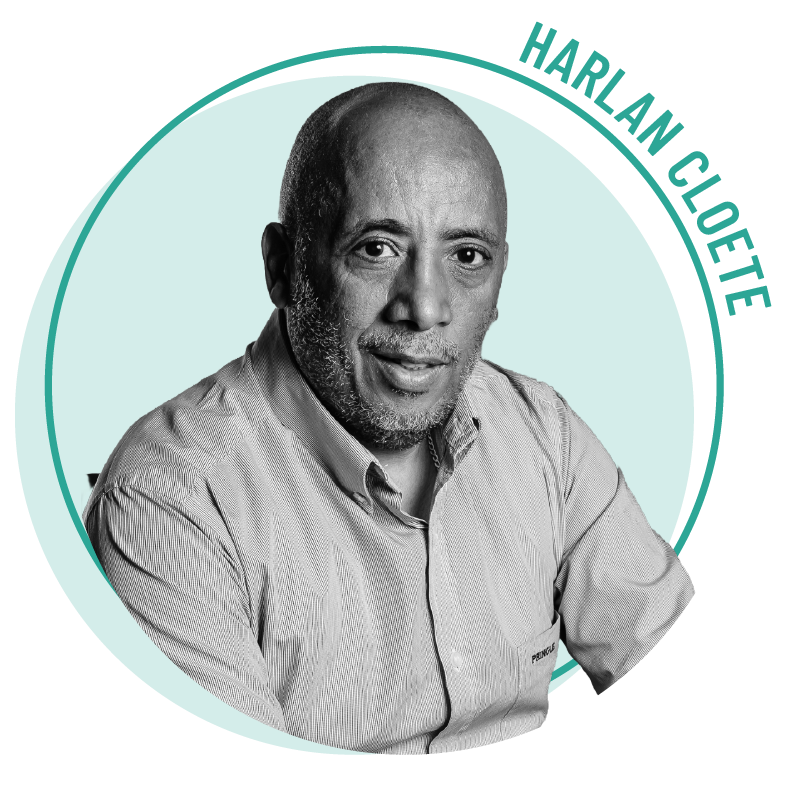
Dr Harlan Cloete is a research fellow at the University of the Free State and a founding member of community radio KC 107.7, where he hosts the Great Governance ZA Podcast. A PhD in Public and Development Management, he specialises in local government and public sector HRD, having trained over 11 000 municipal officials through nationally implemented programmes. He is also the author of several books on skills development and municipal governance.
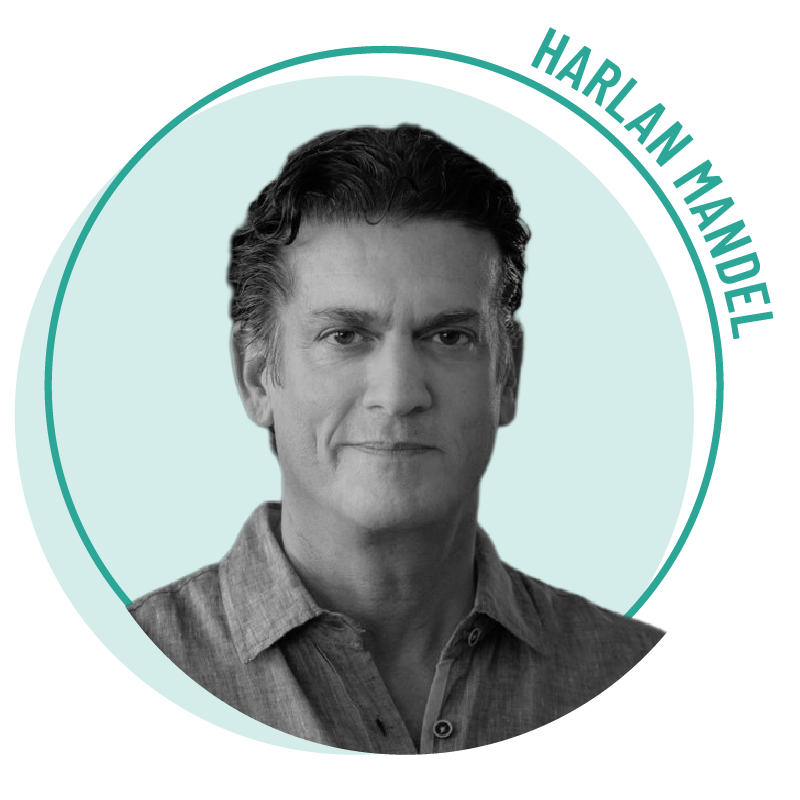
Harlan Mandel is CEO of Media Development Investment Fund, a mission-driven investment fund providing debt and equity financing to independent news and information companies. MDIF operates in countries across Africa, Asia, Eastern Europe and Latin America where a free and independent media is under threat. It invests in independent media providing the news, information and debate that people need to build free, thriving societies.

Ivor Price is the co-founder of Food For Mzansi Group in South Africa, which has won 21 international media awards. He recently completed a Master’s degree in Journalism Innovation and Leadership from the University of Central Lancashire in the U.K. A journalist since 14, Ivor has held senior roles at Media24, including as a London-based foreign correspondent and publisher for leading community newspaper titles. An award-winning broadcaster and published author, he is passionate about innovation, independent media, and mentoring rising media stars across Africa. Ivor also serves as a judge for the Global Youth & New Media Prize.

Jo-Anne left high school English teaching to practice what she preached, and studied Journalism Honours at Stellenbosch University. She has been writing stories about health, education, environment and the climate for the past 30 years in a chequered journey of working for established media, freelancing, public relations, and now activist work. The wellbeing of the planet and its people is her abiding interest, and she is most inspired by telling stories about the solutions – especially to the climate crisis – that could help us all to create the world we’re proud of.
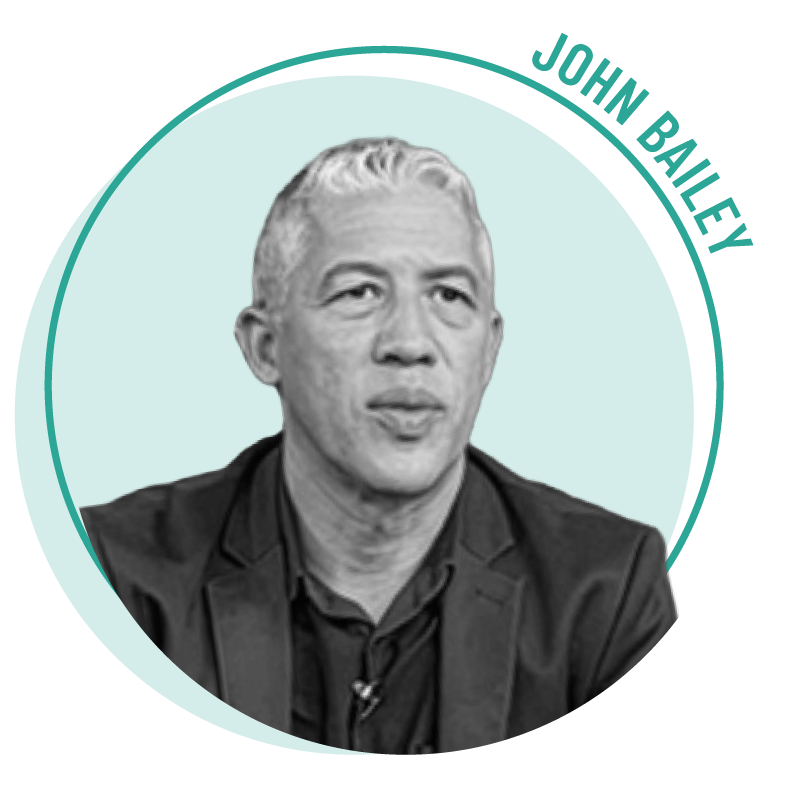
John Bailey has spent more than 30 years turning South African media inside out. His experience spans senior roles at major broadcasters and print outlets, giving him a deep understanding of the country’s media landscape. Now, at a time when print is being challenged like never before, he has acquired and is reinventing titles like the Sunday World and Sunday Sun, sharpening editorial quality, expanding reach, and proving that legacy media can still punch above its weight. John does not just lead, he disrupts, showing that bold, brave, and unflinching journalism can thrive in any era.
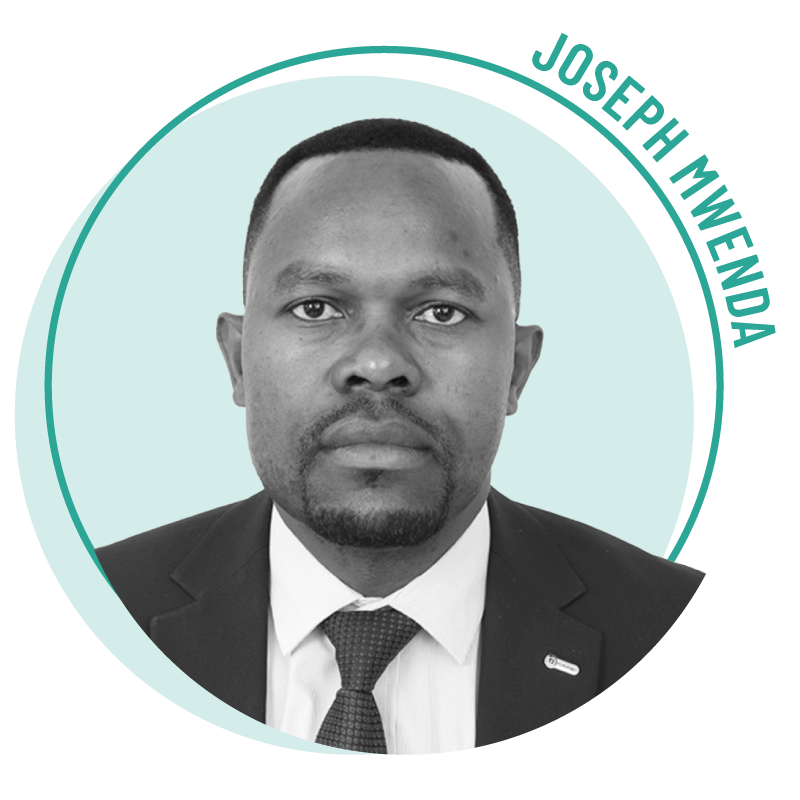
Joseph Mwenda is the founder of News Diggers!, Zambia’s leading independent investigative newspaper. With a Master of Arts in Public Relations, he combines academic rigor with fearless reporting. Over more than 20 years, he has built News Diggers! from the ground up into Zambia’s most trusted media outlet, holding power to account and defending press freedom in the face of state pressure, financial challenges, and online attacks. His investigative work has exposed corruption, environmental abuses, and social injustices, earning him multiple accolades including the 2025 MISA-Zambia Platinum Award for his documentary “Chinese investment in Zambia – The good, the bad and the dangerous.” Joseph is known not just for reporting the news but for making it matter.
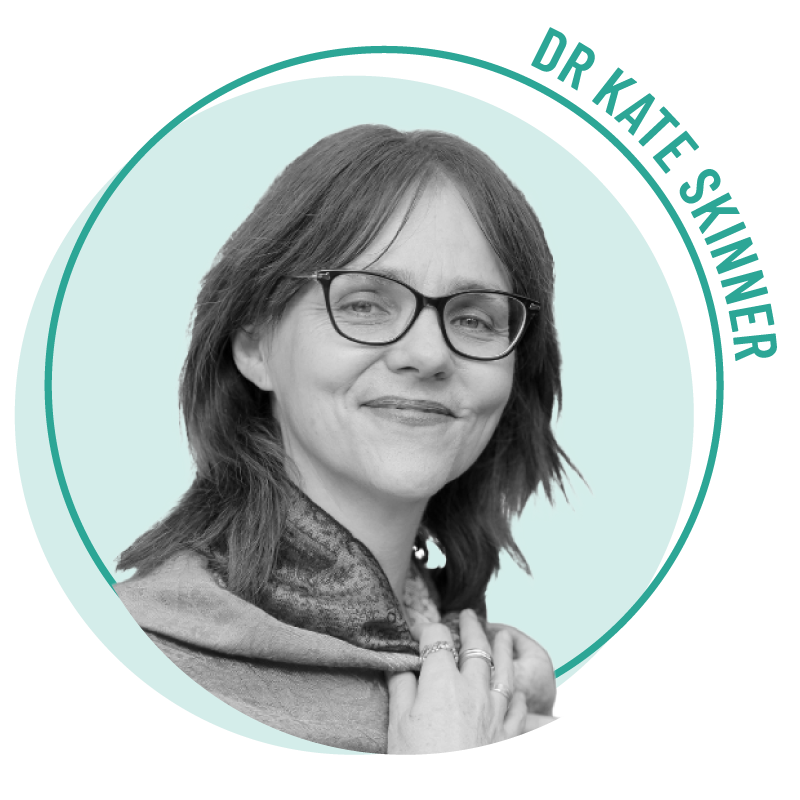
Dr Kate Skinner is the Executive Director of the Association of Independent Publishers (AIP) in South Africa. A renowned media freedom activist, researcher and policy analyst, she has spent the past 25 years working across unions, NGOs, government and the media industry to support a diverse, independent media sector. In 2008, she founded the Save Our SABC (SOS) campaign, which successfully advocated for greater independence of the SABC board and won key legal victories. A recipient of the Unesco World Press Freedom Fellowship, Kate holds an MA and PhD from Wits University, where she focused on media diversity and public service broadcasting. Prior to joining AIP in 2021, she served as executive director of the South African National Editors’ Forum (SANEF).
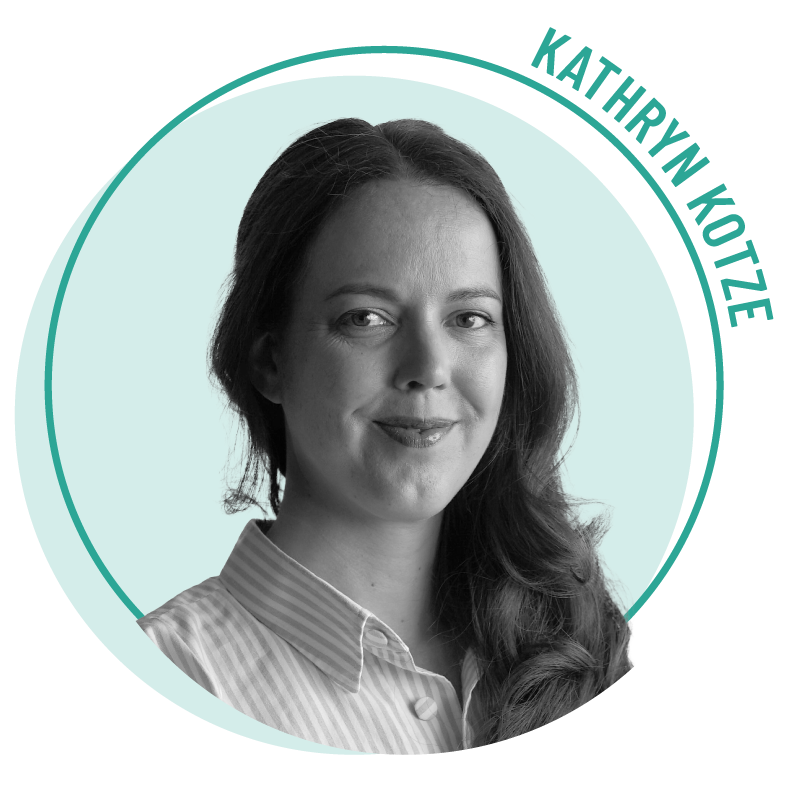
Kathryn Kotze is the Head of Operations at Daily Maverick, one of South Africa’s most respected independent news publications. With nearly two decades of experience in project and operations management, she has spent the past six years at Daily Maverick driving innovation across commercial, grant, and editorial projects. From launching new products and editorial desks to building systems that make teams more effective, Kathryn combines strategic thinking with operational excellence. Passionate about media sustainability and impact, she is focused on developing ways to measure and showcase how quality journalism shapes society.
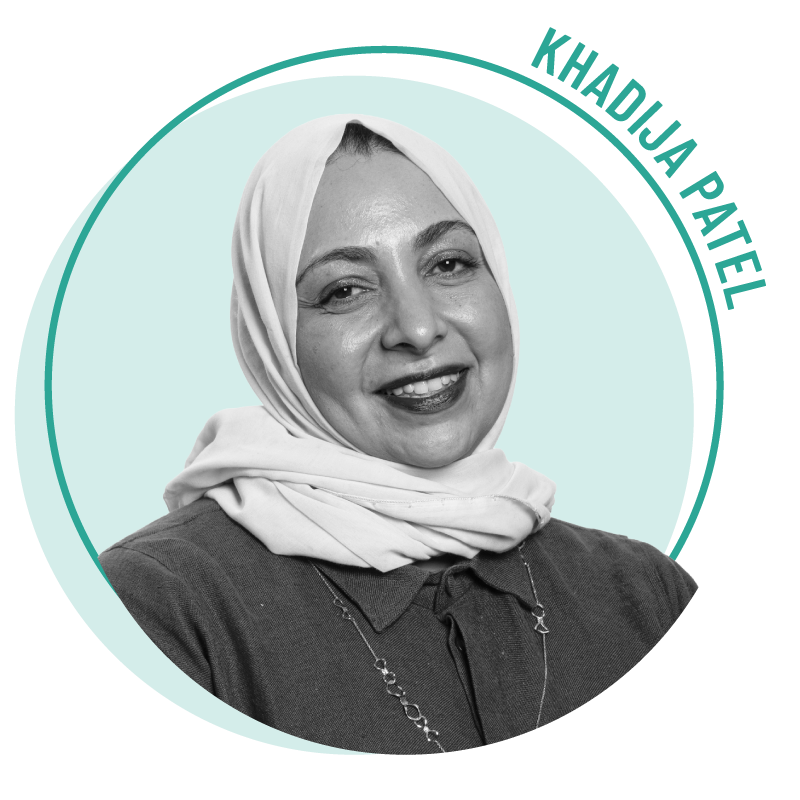
Khadija Patel puts the fight back in journalism. As Journalist in Residence at the International Fund for Public Interest Media in Paris, France, she defends news as a public good, shoves complacency aside, and reminds the world why headlines matter. Sharp, relentless, and uncompromising, Khadija is a one-person wake-up call to the media world.
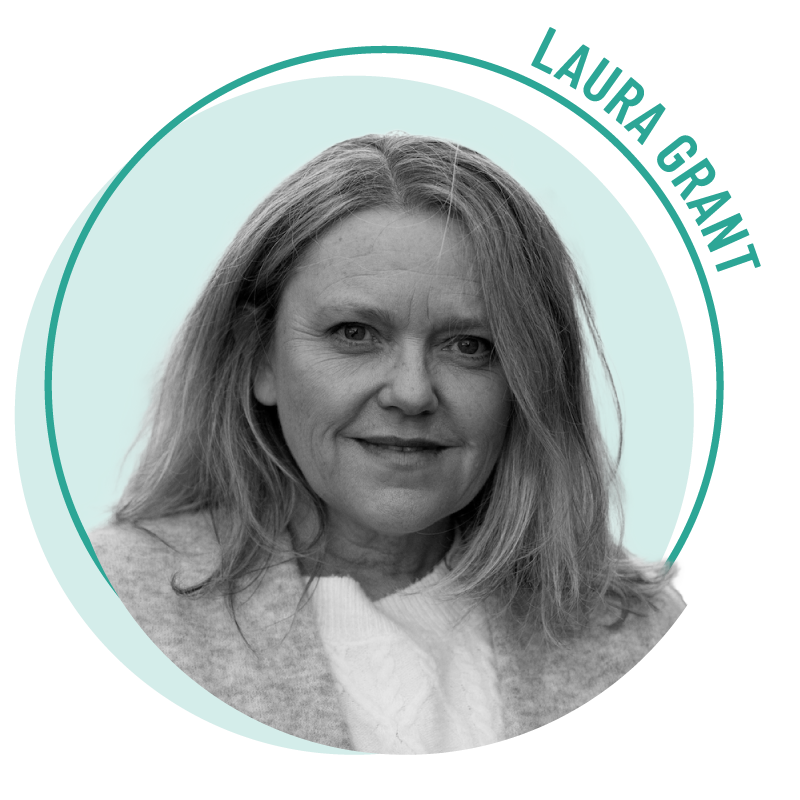
Laura Grant makes numbers sing and stories hit hard. Co-founder and managing partner of Media Hack Collective and managing editor at The Outlier, she has spent 20 years turning raw data into journalism that bites, delights, and sticks. Combining infographics, interactive maps, and sharp visual storytelling, Laura transforms complex issues in Africa into work you cannot ignore. Before MHC, she honed her craft as associate editor for digital and data projects at the Mail & Guardian. With degrees in journalism and psychology, and a postgraduate diploma in environmental management and tourism development, Laura proves that data journalism is not just analysis. It is revelation.
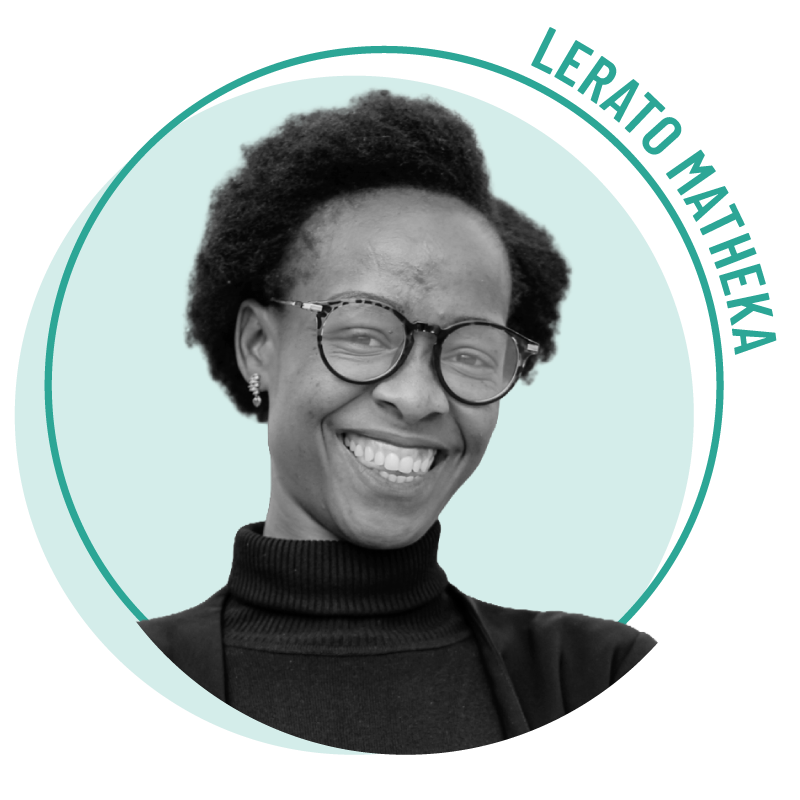
Lerato Matheka is a Lesotho-based journalist and media leader with over 15 years of experience telling stories that shape lives. As Managing Editor and Director of Newsday Media, she leads teams producing award-winning content across health, politics, lifestyle, and investigative journalism, influencing public discourse and policy. Her accolades include PEPFAR Media Champion (2019), Best Climate Change Feature Award (2016), and selection for the US International Visitors Leadership Programme (2014). A Wits media management graduate and former public relations student at Cape Peninsula University of Technology, Lerato blends editorial excellence with mentorship, serving on the REPSSI Lesotho Advisory Board and guiding young female journalists through the Fray Media Foundation. She has also launched a niche agriculture publication, using media to connect, inform, and empower communities. Lerato’s work is driven by a belief that journalism can transform society, giving voice, insight, and opportunity to those who need it most.
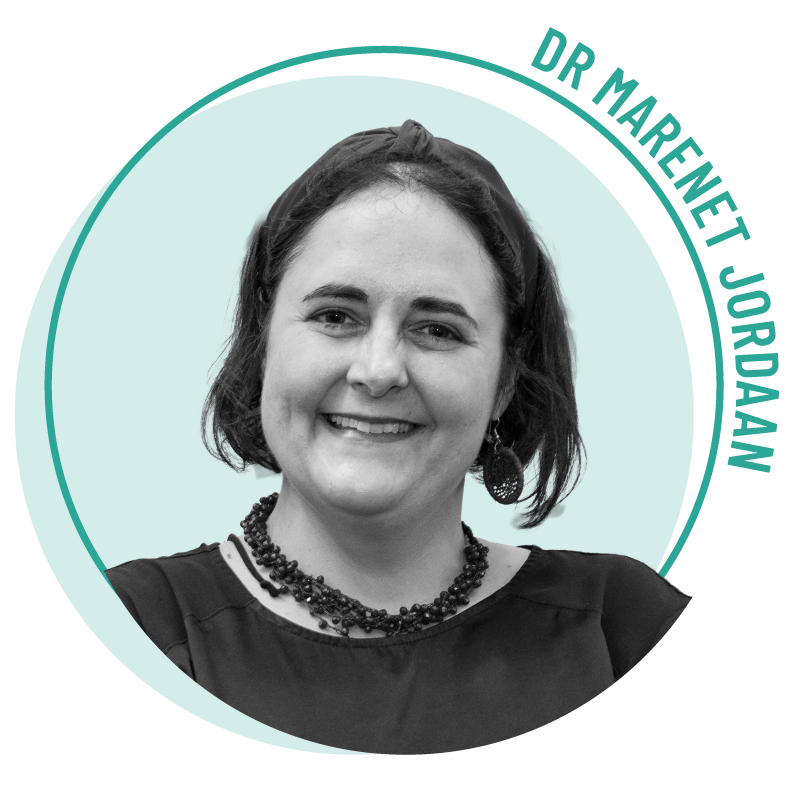
Dr Marenet Jordaan is only the second woman ever to chair the Department of Journalism at Stellenbosch University, a department proudly partnering with Africa Media Perspectives 2026. With deep journalism experience at, among others, Die Burger and Rapport newspapers in South Africa, she brings firsthand newsroom insight to academic leadership, understanding both the craft and the challenges of journalism. Her research spans comparative journalism studies, media ethics, and the scholarship of teaching and learning, exploring how journalists and newsrooms adapt to a fast-evolving media ecosystem. Marenet is passionate about mentoring the next generation of journalists, fostering ethical, bold, and adaptable media professionals who can tell Africa’s stories with clarity, courage, and impact.
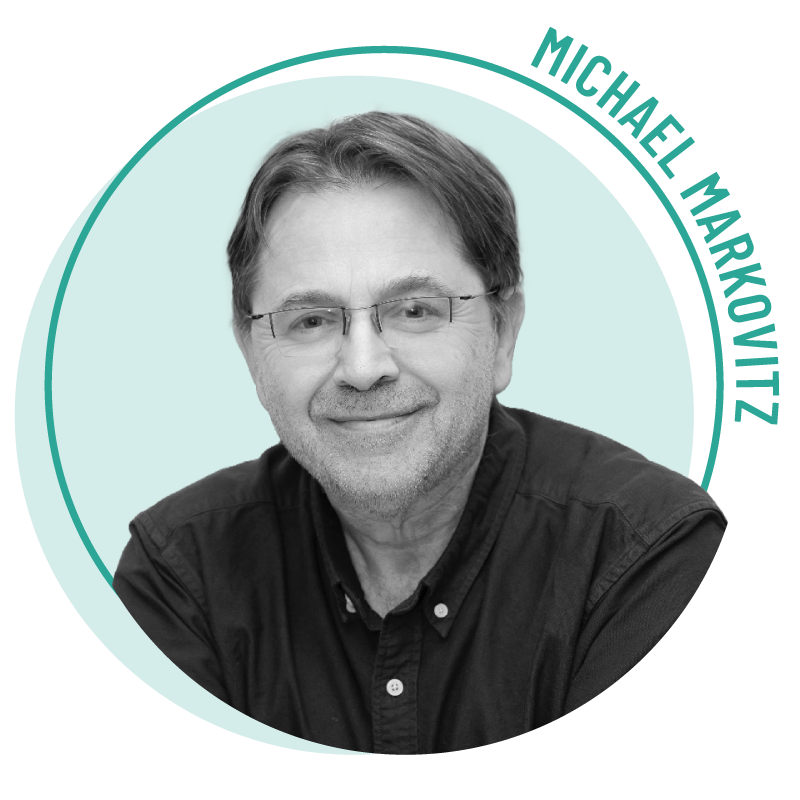
Michael Markovitz is an adjunct faculty member at the Gordon Institute of Business Science (GIBS) in Johannesburg and Director of the Media Leadership Think Tank (MLTT) at GIBS — an independent research and advocacy platform advancing solutions for African media in support of democracy. As Faculty Lead, he also co-designed and launched the inaugural Executive Programme in Media Leadership at GIBS in 2025.
Michael was named among the top 50 alumni of Rhodes University’s School of Journalism and Media Studies in its first 50 years. In 2023, the MLTT convened a landmark global conference at GIBS that adopted Big Tech and Journalism: Principles for Fair Compensation, endorsed by 101 signatories from 28 countries. Michael has held senior roles in both the public and private sectors, including a five-year term as a board member of the South African Broadcasting Corporation (SABC). More recently, in collaboration with partners in Brazil and Indonesia, and with IFPIM support, the MLTT established the CTRL+J Alliance in 2025 as a strategic South-to-South initiative.
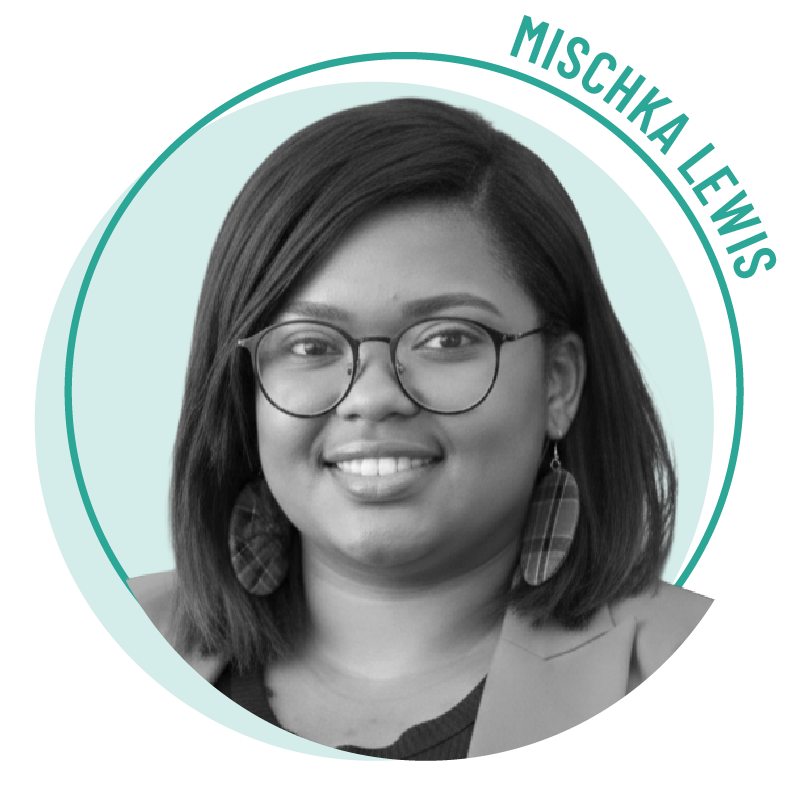
Mischka Lewis is a Specialist Researcher at the Media Development and Diversity Agency (MDDA), where her work sits at the collision point of artificial intelligence, digital harm, and press freedom in Southern Africa. Mischka investigates how technology is simultaneously a weapon and a tool; documenting the rise of Technologically Facilitated Gender Based Violence (TFGBV) as a mechanism for silencing women journalists, while advocating for AI adoption in community media that centres equity and access over extraction and exclusion.
Grounding her work in an interdisciplinary feminist approach, Mischka foregrounds the voices most often excluded from policy conversations. In an era where AI is rewriting the rules of journalism fast, Mischka’s research asks the questions the industry cannot afford to ignore: who is being protected, who is being harmed, and what does responsible, inclusive digital innovation actually look like in practice?

Munya Bloggo is a leading digital media strategist, filmmaker, and civic tech innovator at the forefront of Zimbabwe’s creative economy. As the Operations Director for Magamba Network—one of Africa’s most disruptive creative organizations—Munya oversees a diverse portfolio of platforms that blend satire, journalism, and civic tech to engage young audiences and promote transparency.
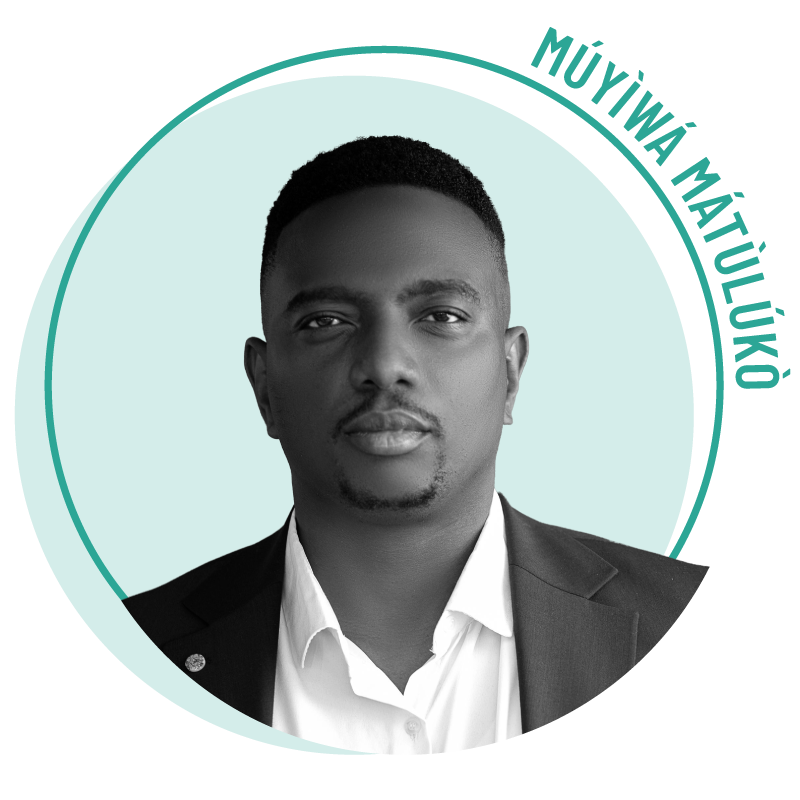
Nigeria-based media visionary Múyìwá Mátùlúkò has spent over a decade shaping how Africa sees itself in business and technology. At the helm of Businessfront, he’s building a storytelling ecosystem that fuses data, brands, and bold narratives across the continent. Through titles like Techpoint Africa, Intelpoint, Finance in Africa, and Energy in Africa, Múyìwá doesn’t just report Africa’s economic and tech stories, he shapes them, giving the continent a voice that’s smart, unapologetic, and impossible to ignore.
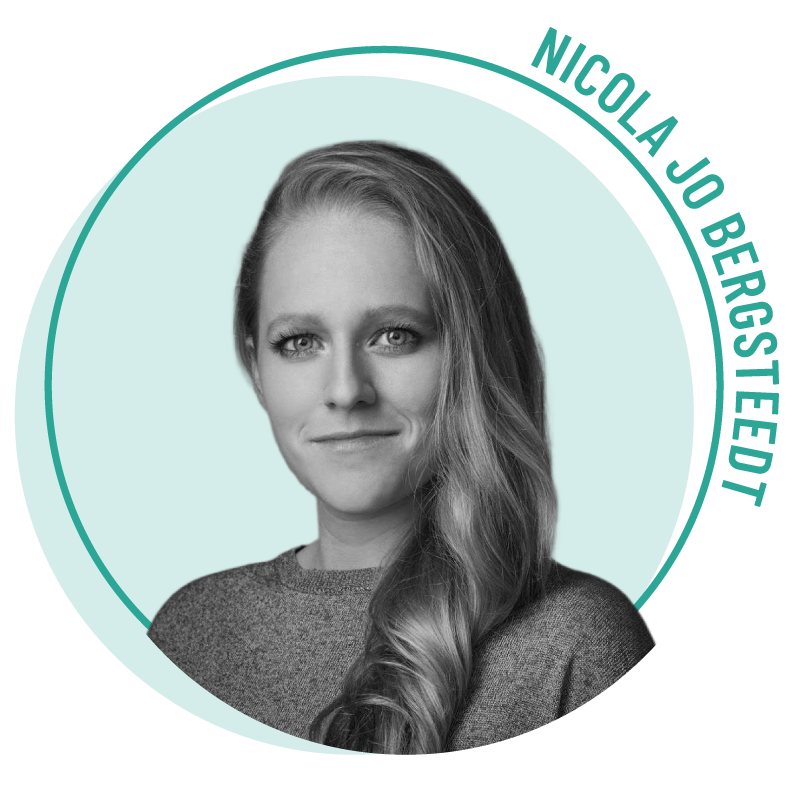
Nicola Jo Bergsteedt is the founder of NB News Wrap, a digital news platform that turns complex current affairs into stories that are clear, engaging, and easy to understand. With a Master’s in Journalism and a Postgraduate Diploma in Futures Studies, Nicola works across journalism, podcasting, and digital content, helping audiences make sense of a rapidly changing world. She created NB News Wrap to fight information overload and news fatigue, building a space where people can stay informed without feeling overwhelmed. Driven by clarity, critical thinking, and a belief in the power of informed citizens, Nicola crafts journalism that doesn’t just report the news but equips people to understand, question, and engage with the issues shaping society.
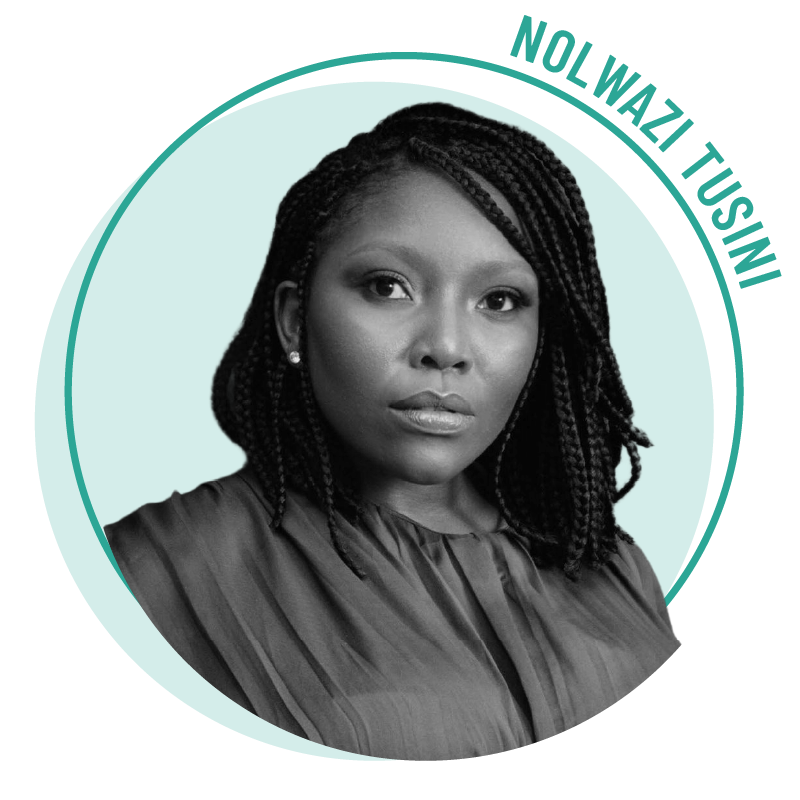
Nolwazi is responsible for managing current and future clients, driving pipeline development and leading Amplify programs in South and Southern Africa, including Angola, Zambia, Malawi and Mozambique at MDIF. Nolwazi is an award-winning broadcast journalist, queer feminist, social justice activist and writer. Before joining MDIF, she served as Acting Co-Director as well as Communications and Media manager at Iranti, a human rights advocacy organisation. With more than a decade of experience as a broadcast journalist crafting radio and TV shows covering news and current affairs, she has led editorial teams at eNCA, 702, Power 98.7, and The Big Debate SA. Nolwazi is a senior Atlantic Fellow for Racial Equity with Columbia University in New York and the Nelson Mandela Foundation in Johannesburg, and a Global Atlantic Fellow. She is also a Ruth First Scholar.
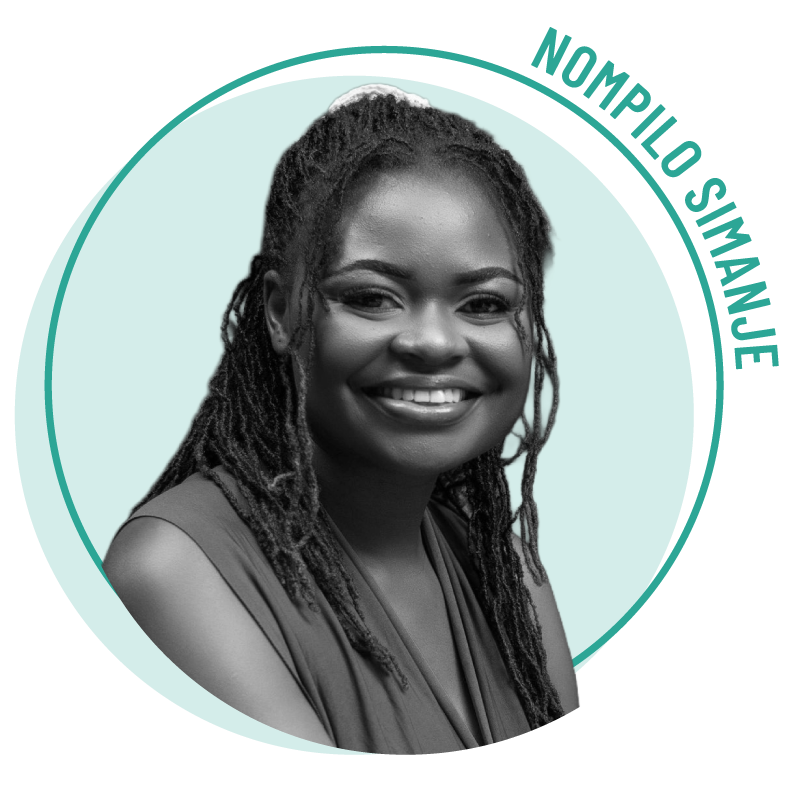
Nompilo Simanje is a lawyer and leading voice at the intersection of technology, law, and human rights. She serves as Africa Advocacy and Engagement Lead at the International Press Institute (IPI), where her work spans some of the most pressing issues facing journalism on the continent today. Her current priorities include strengthening climate and environmental journalism in Africa, while advancing the safety of journalists and the protection of media freedom. Simanje has led and contributed to high-level advocacy efforts engaging governments, regional bodies, and international institutions, with a strong focus on freedom of expression and access to information, both online and offline.
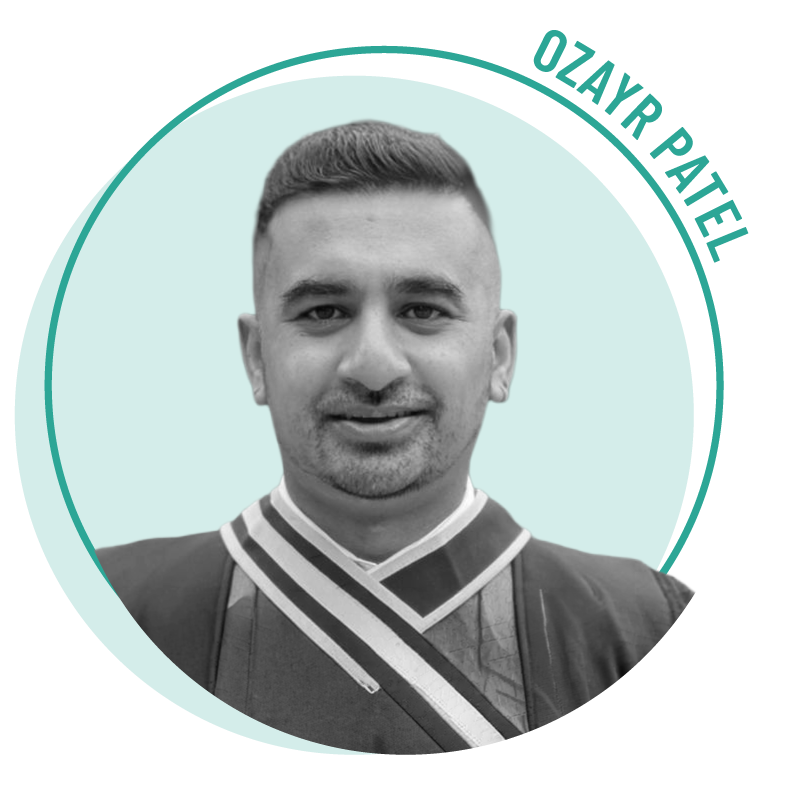
Ozayr Patel is the Programme Coordinator at Climate Media Lab FossilFreeSA, where he turns climate science into stories that matter. A science editor and communications associate with Honours and Master’s degrees in Journalism and Media Studies, Ozayr crafts narratives that make complex issues urgent, human, and impossible to ignore. From strategy to storytelling, he bridges media and science to spark understanding, action, and impact.
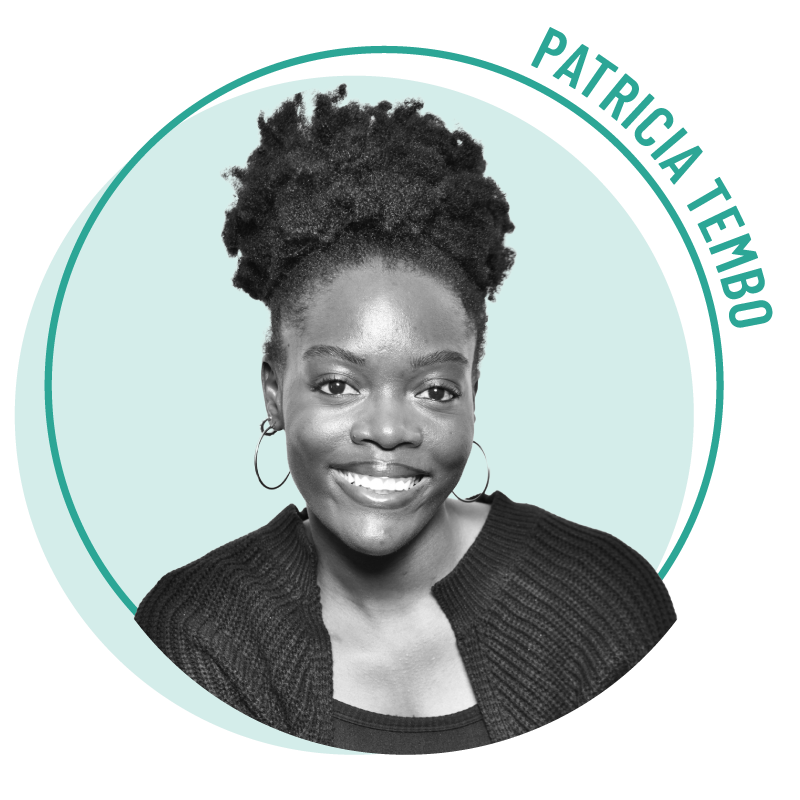
Patricia Tembo is a specialist journalist at Food For Mzansi, where she turns the science, policy, and everyday realities of South Africa’s food systems into stories that matter. She is also the host of the publication’s Farmer’s Inside Track podcast, the 2024 WAN-IFRA World’s Best Podcast winner, now reaching listeners in over 170 countries, exploring agriculture through the eyes of experts, innovators, and seasoned farmers. A registered candidate natural scientist and Master’s student in sustainable agriculture, Patricia bridges research and media, translating technical insights into narratives that inspire, inform, and connect communities. Her work doesn’t just explain agriculture, it gives it heartbeat, relevance, and voice.
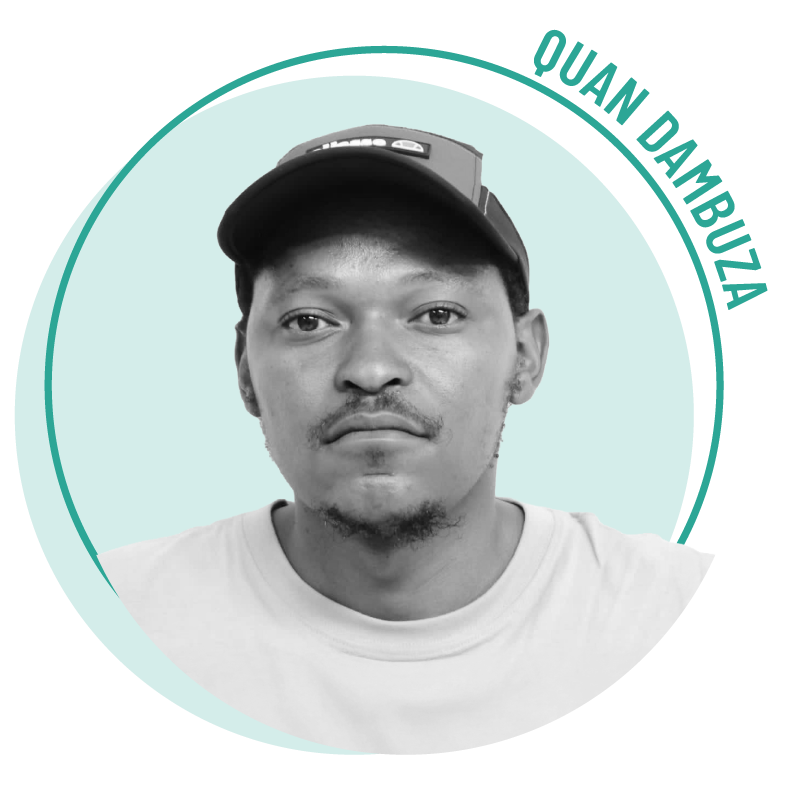
South African media entrepreneur Quan Dambuza is on a mission to put rural voices on the map. As the founder and publisher of Pondoland Times, based in Bizana, Eastern Cape, he’s building a community media powerhouse that’s both trusted and innovative. Since 2021, Pondoland Times has grown into a print and digital hub reaching over 1 million online users, with a weekly print run of 5 000 copies and an email newsletter connecting 11 000+ subscribers. Quan champions sustainable local media, deep rural digital audiences, and service journalism that bridges information gaps while staying rooted in the communities it serves.
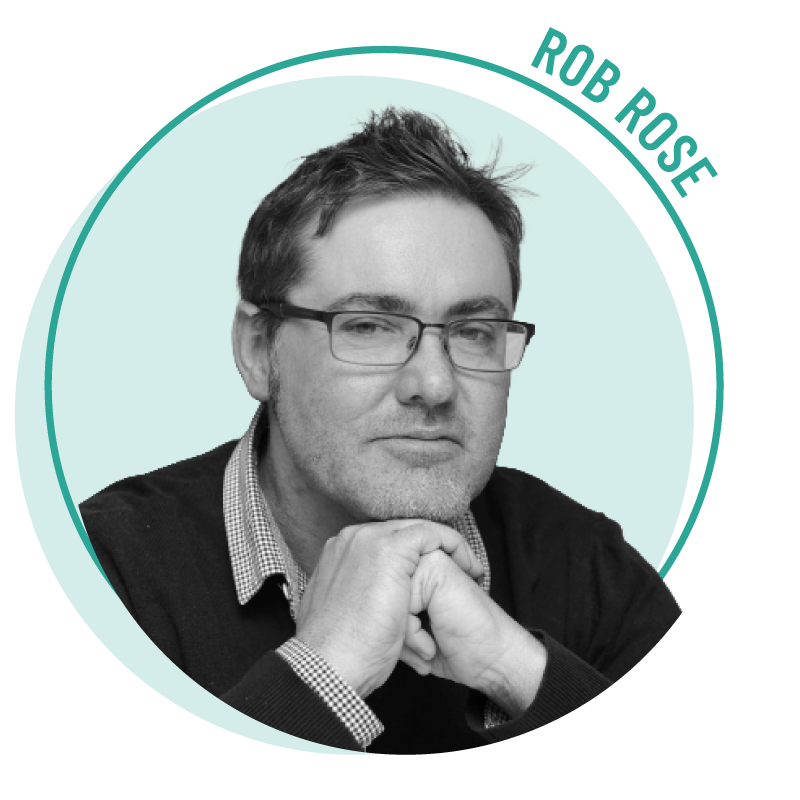
Rob Rose is the editor and co-founder of Currency News, one of South Africa’s most exciting digital news startups, launched to explain the economics of our world in ways that are clear, compelling, and human. In 2026, the platform caught the attention of Apex Publishing Enterprises, the company behind the Financial Mail, and was acquired as part of a major expansion of business and financial journalism in the country. Former editor of Financial Mail and author of The Grand Scam and Steinheist, Rob has spent years translating complex financial stories into gripping narratives that matter. At Currency News, he combines investigative depth, editorial vision, and fearless storytelling to make economics accessible, urgent, and impossible to ignore.
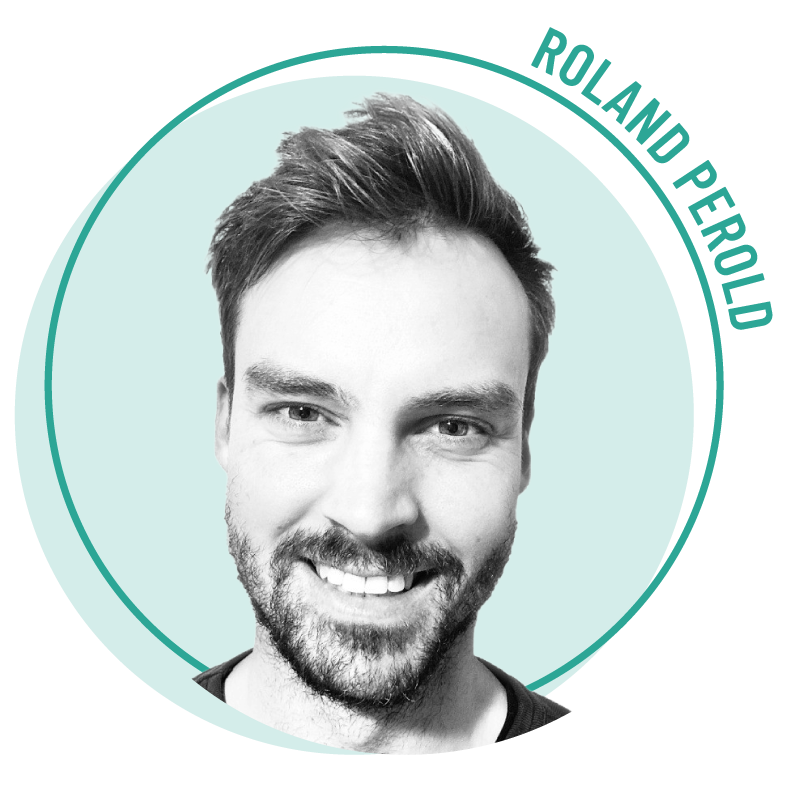
Roland Perold is a media entrepreneur and the co-founder and managing director of Volume Podcasts, a Cape Town-based agency redefining storytelling across Africa and beyond. Since 2018, he has helped organisations turn ideas into high-quality, purpose-driven audio and video content, working with clients such as the Shoprite Group, Allan Gray, the African Union, and Human Rights Watch. Under his leadership, Volume has been recognised as part of the inaugural JAMLAB Accelerator cohort, won the first South Africa Media Innovation Program (SAMIP) Innovation Challenge, and earned backing from the Media Development Investment Fund. Roland recently completed the Executive Programme in Media Leadership at GIBS, combining strategic vision with creative execution to shape the future of African media.
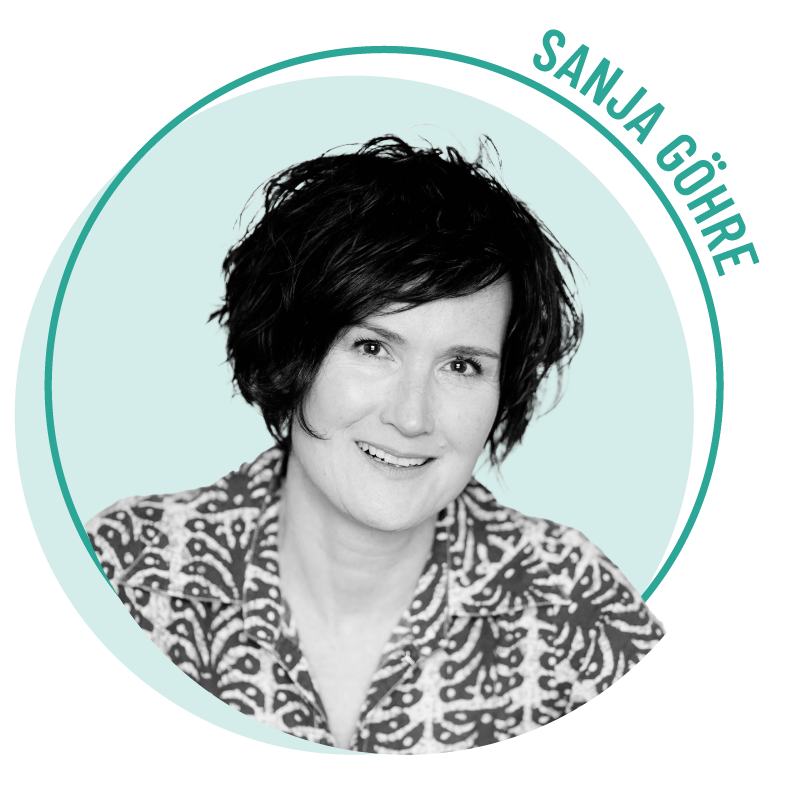
Sanja Göhre doesn’t just tell stories. She rewires them. From Reuters newsrooms to UN boardrooms, to leading communications across ten Southern African countries during the Covid-19 pandemic, she’s seen it all and spun it into insight. Today she runs StoryBanking and hosts the AfricanOptimist podcast, spotlighting the narratives shaping African business, leadership, and identity. If you want your ideas to hit hard, listen to Sanja. She’ll show you how it’s done.

Selly Thiam is a Senegalese-American journalist, filmmaker, radio producer, and storyteller on a mission to amplify African and black voices. She has worked for PBS and The New York Times and was a Carnegie Fellow with the ABC News Investigative Unit, honing her craft across journalism, media, and documentary storytelling. In 2006, she founded None on Record: Stories of Queer Africa, an ambitious project that collected and archived over 1 000 first-person narratives of LGBT Africans across the continent and the diaspora, which has since grown into a pan-African digital media platform. Today, Selly is the CEO and founder of AQ Studios, an African podcast company dedicated to bold, creator-led storytelling. She is also the executive producer and host of the award-winning AfroQueer podcast, bringing the continent’s most urgent, intimate, and groundbreaking stories to audiences around the world.
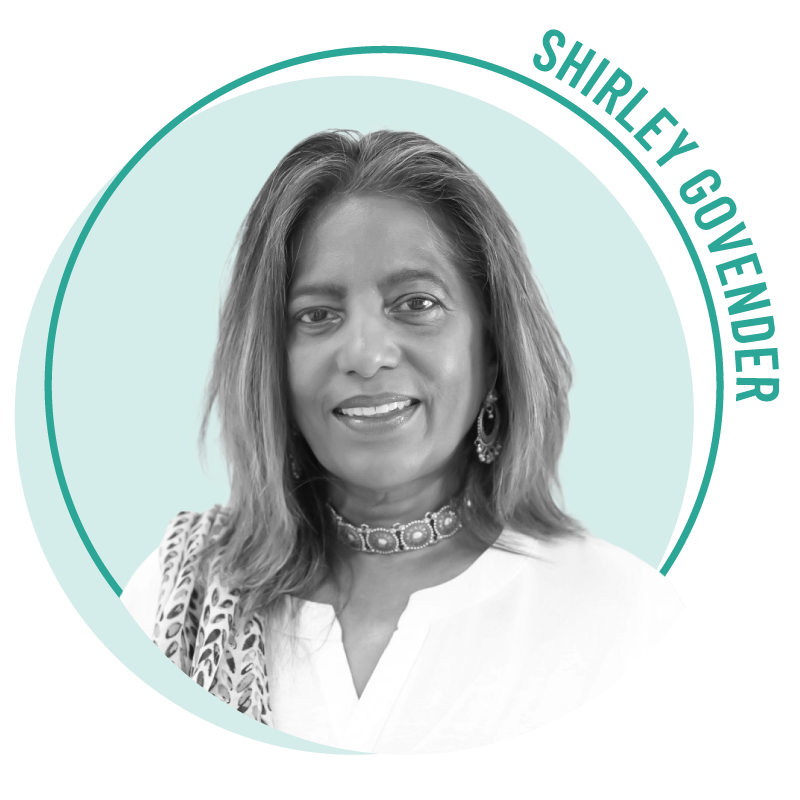
Shirley Govender has spent over three decades shaping South Africa’s community media landscape. As the founding publisher of Globe Post, Orange Farm News, and Walkerville & Savanna City Times, she has built hyper-local platforms that serve as trusted lifelines for township and peri-urban communities in Johannesburg’s south. Her work champions civic journalism, media sustainability, and solutions-focused storytelling. Recognised nationally and internationally, Shirley was named one of seven pioneering women of colour publishers in Africa by Cosmopolitan South Africa and won the 2025 Nat Nakasa Award for Courageous Community Journalism. A Solutions Journalism Network Fellow and founding director of Solutions Journalism Institute Southern Africa, she trains newsrooms, strengthens media literacy, and reimagines healthier news narratives. Shirley’s leadership blends editorial impact with strategic vision, ensuring community voices are heard, trusted, and empowered.
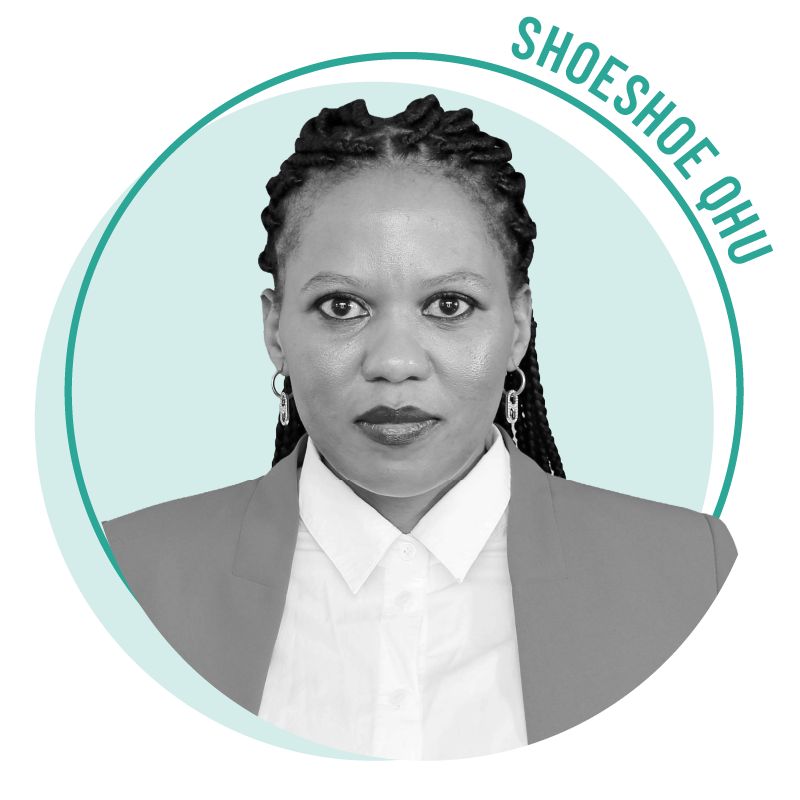
Shoeshoe Qhu is the Chief Executive Officer (CEO) at the Media Development and Diversity Agency, as of 01 January 2024. She bears over 20 years of experience in media development, spanning over commercial, and the public broadcasting sectors community. She is an advocate for media freedom, development and diversity, and currently sits on the board of the Freedom of Expression Institute (FXI).
Beyond her broadcasting career, Shoeshoe is deeply passionate about skills development and education. Alongside her dedication to personal growth, she imparts her expertise by teaching New and Emerging Technology for Radio at the Wits Radio Academy. She often facilitates workshops on radio and digital media at the National Electronic Media Institution (NEMISA).
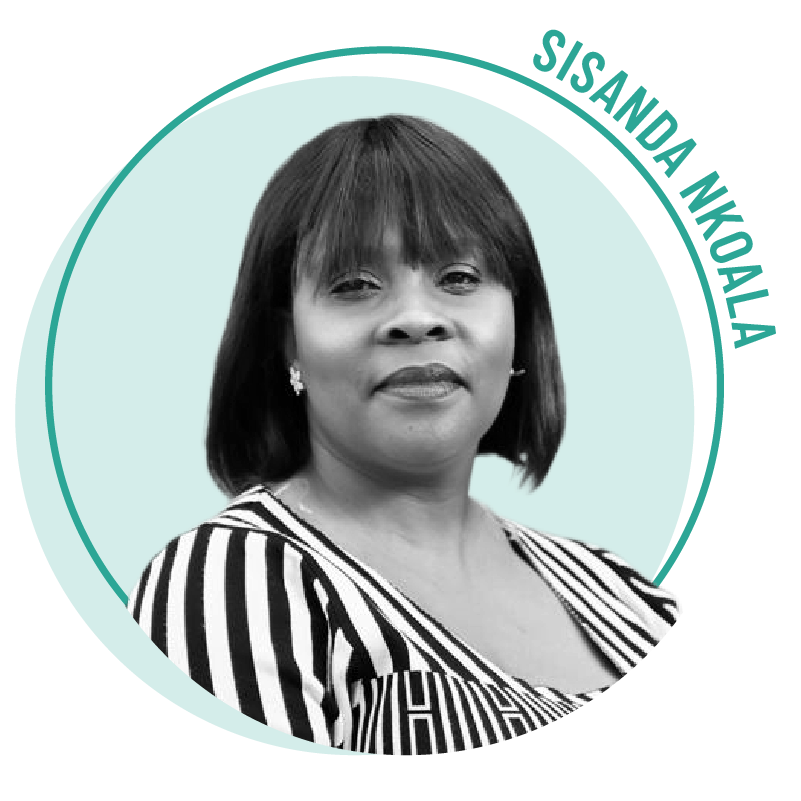
Sisanda Nkoala is a former award-winning journalist turned NRF-rated Associate Professor in the University of the Western Cape’s Linguistics Department. She is a holder of the UWC joint Chair in Media Inclusion and Diversity Chair. She holds a PhD in Rhetoric Studies.
Her research on media, rhetoric and multilingualism has been published in the top journals in her field, including Journalism, Acta Juridica, and the International Journal of Multilingual Research. She has received research-related honours and grants from the National Institute of Humanities and Social Sciences, the International Communication Association, the National Research Foundation and the Association of Commonwealth Universities, among others.
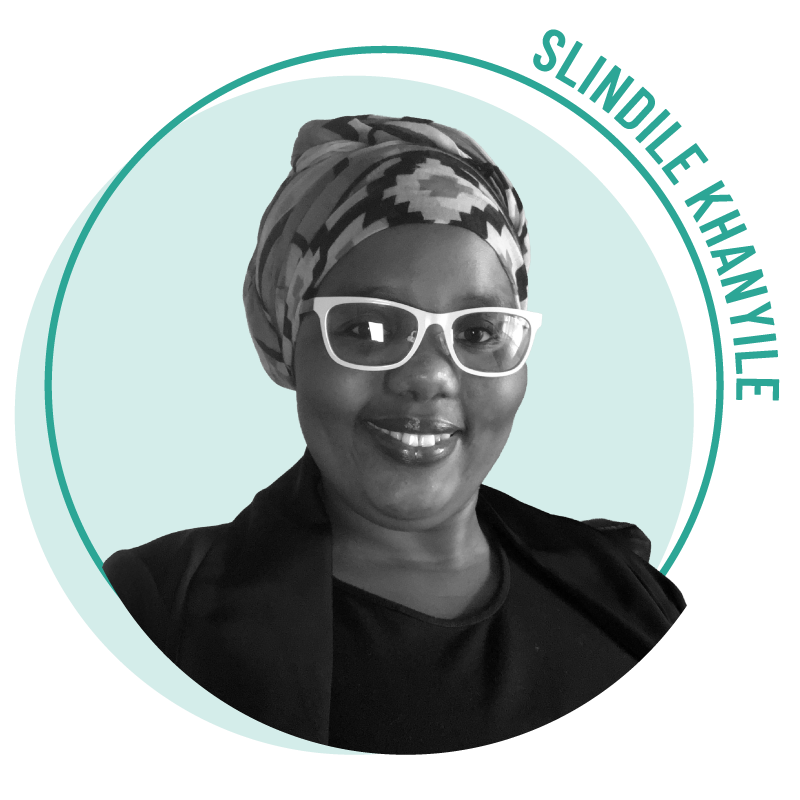
Slindile Khanyile is a media entrepreneur, editor, and CEO of Likhanyile Group, the publisher behind Umbele, an award-winning isiZulu financial publication, and Umkhanyisi, a bilingual digital education platform distributed via WhatsApp. With over 25 years of experience across legacy and new media, she has built a reputation for championing innovative journalism that connects with diverse audiences.Previously, Slindile served as Editor of Isolezwe and Deputy Editor of the Daily News. She is a leading voice for media freedom in South Africa. She chairs the SANEF Media Freedom Sub-Committee and the Durban University of Technology’s journalism advisory board. She also serves on the boards of the Association of Independent Publishers and the Advertising Regulatory Board.
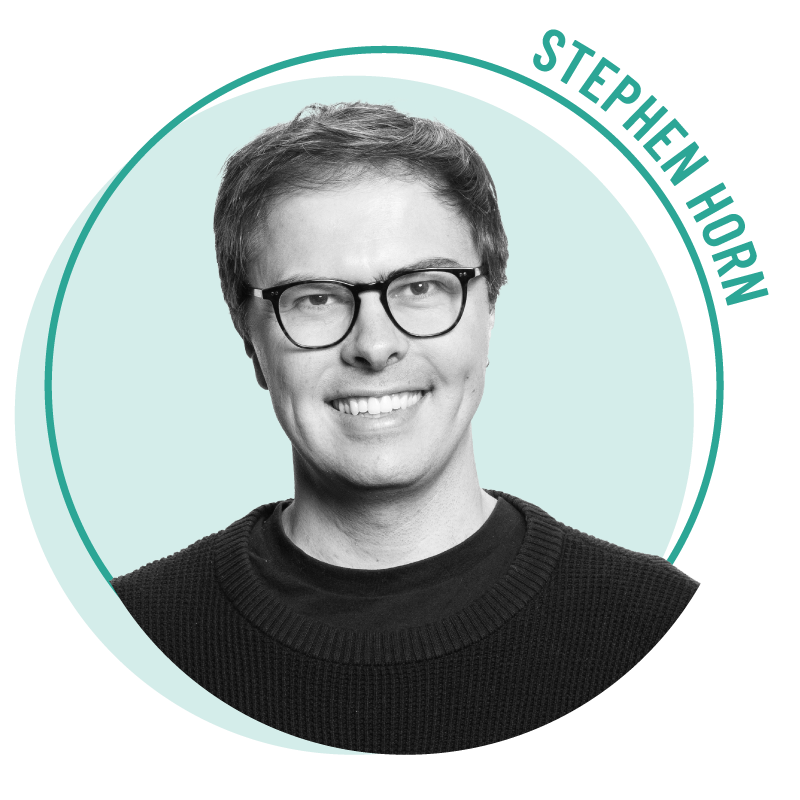
Stephen Horn makes news bite back. As the creator of Politically Aweh, South Africa’s SAFTA-winning satire powerhouse, he turns politics into entertainment that hits hard and stays with you. He also leads South Africa’s chapter of Clean Creatives, proving you can make a difference while making people laugh. Stephen is part provocateur, part visionary, and 100 percent unafraid to shake things up.
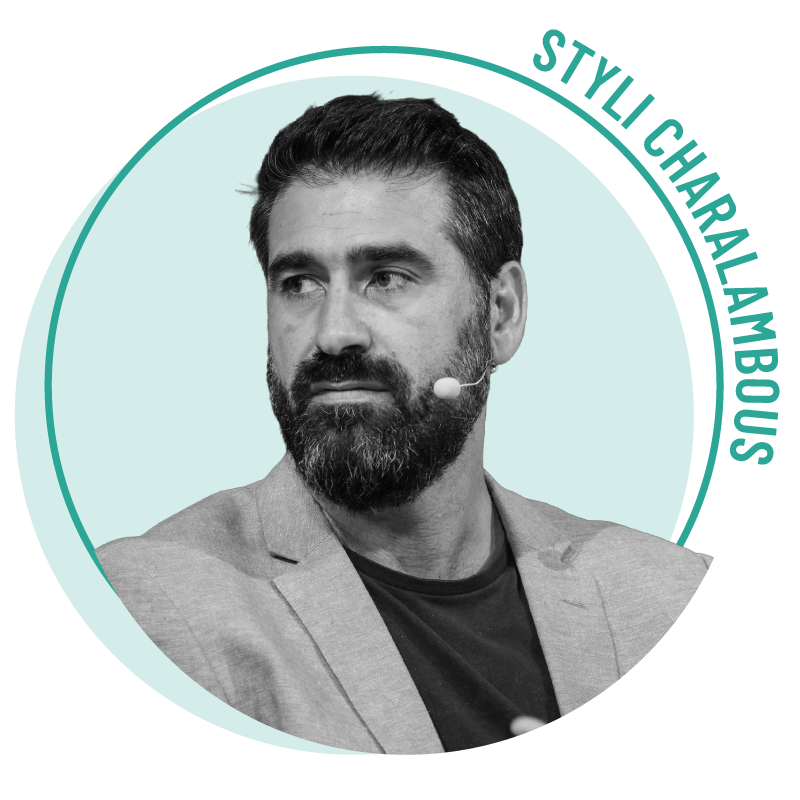
Styli Charalambous is the co-founder and CEO of Daily Maverick, one of South Africa’s most influential independent media platforms. He co-founded the publication in 2009, navigating a turbulent political landscape and a rapidly changing media industry to build a media powerhouse from a five-person start-up into a team of over 100 full-time staff, reaching nine million monthly unique visitors and over 30 000 voluntary paying members. With a background in finance and publishing, Styli has led Daily Maverick’s growth through bold innovation in revenue models, technology, product development, and membership strategies. He is passionate about leadership, independent journalism, and the role of media in democracy. In 2021, he was awarded South Africa’s top journalism award for courage and integrity, recognising his transformative impact on the country’s media landscape.

Verashni Pillay is a South African media entrepreneur who is redefining how journalism reaches and empowers people. She founded explain.co.za in 2020, named Africa’s best news literacy project by WAN-IFRA, the global press organisation. She then launched Explain Agency, helping mission-driven organisations tell their stories while sustaining high-quality journalism through a smart hybrid model that broke even in its first year and continues to grow. Her work blends innovation, strategy, and social impact. Recently awarded a grant from the Digital News Transformation Fund, Verashni is driven by one mission: to make media matter, inform minds, and change communities.
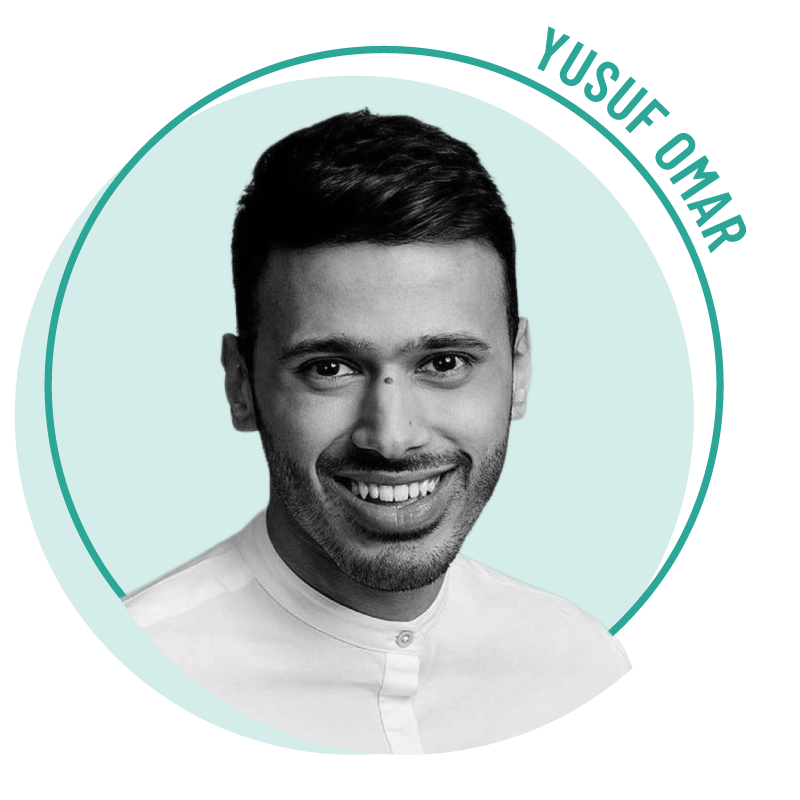
Yusuf Omar is storytelling on steroids. CEO and co-founder of SEEN.TV, he is using AR, AI, and mobile journalism to put the camera and the mic in the hands of communities. Former CNN war correspondent, Yusuf has worn cameras on his body for over a decade and his sunglasses stream the future. In 2025, he was aboard the Gaza aid flotilla, a mission supporting the Palestine cause. Deeply passionate about amplifying voices that matter, he is building immersive storytelling that will make news by 2030 impossible to ignore.
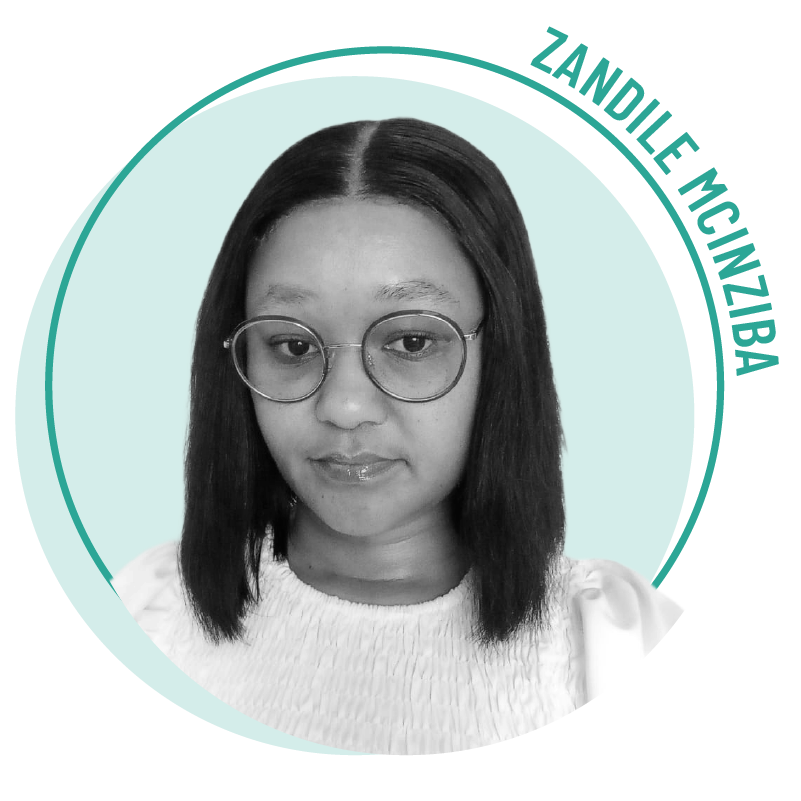
Zandile Mcinziba is a PhD student in Ethics whose scholarly work sits at the intersection of digital media, ethics, artificial intelligence, and journalism studies. Her doctoral research, titled “Researching the Digital: The Ethics of AI-Generated Content in South African Newsrooms”, critically examines the ethical implications of artificial intelligence in contemporary media environments. Her study interrogates questions of accountability, authorship, transparency, credibility, and professional responsibility as newsrooms increasingly integrate AI-generated content into journalistic practice. Through this work, she contributes to emerging debates on digital ethics and the future of responsible media in South Africa.